Cách Tìm Son Môi Đỏ Hoàn Hảo Cho Tông Da Của Bạn (Hướng Dẫn 2026)
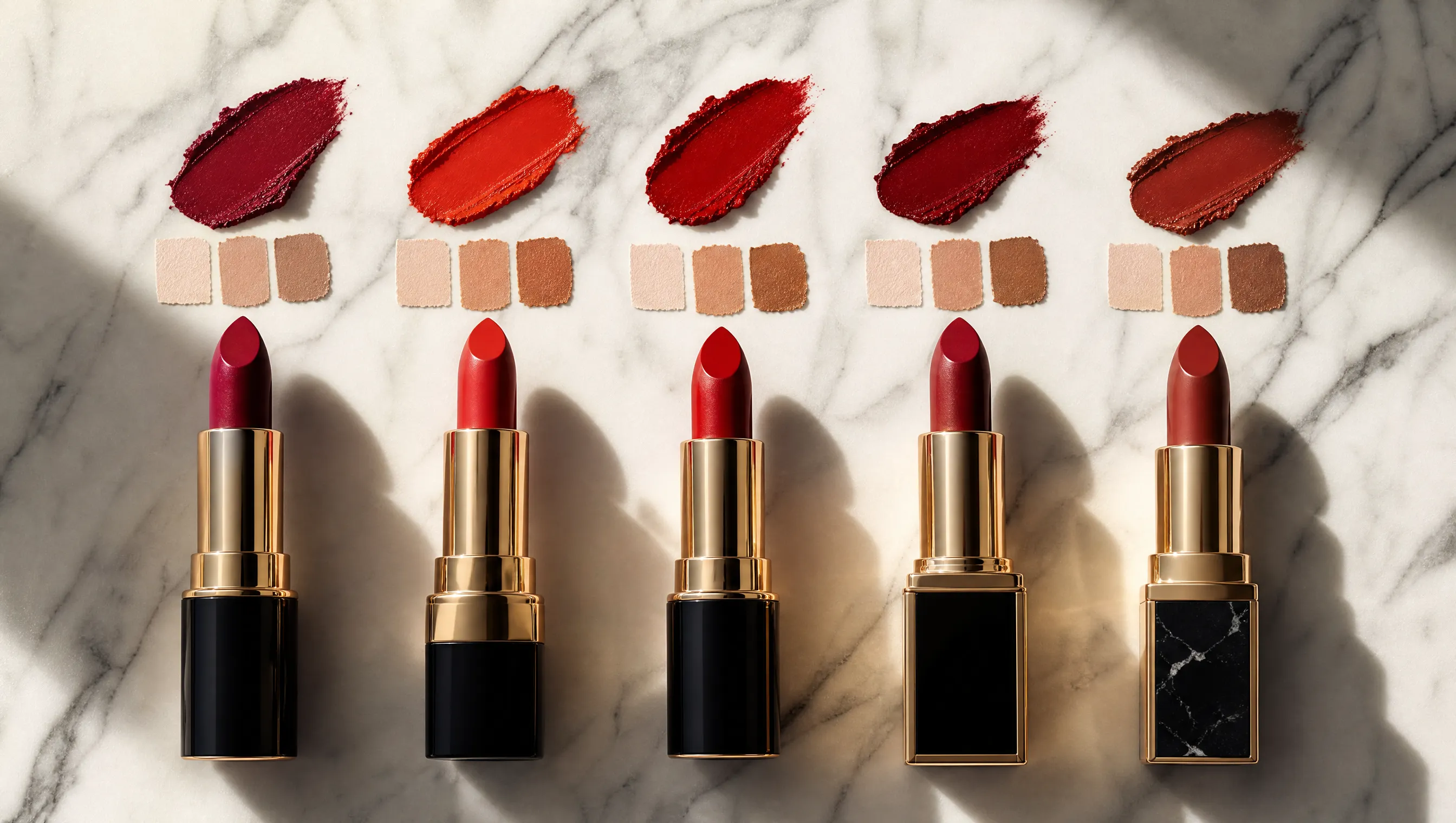
Quy Tắc Trang Điểm Mà Ai Cũng Làm Sai
Tôi đã mất đếm bao thỏi son môi đỏ mình mua, dùng một lần rồi nhét vào tận đáy ngăn kéo. Đỏ cổ điển? Quá gắt. Cam san hô? Làm da xỉn đi. Mận chín? Khiến răng trông vàng. Trong nhiều năm, tôi nghĩ mình chỉ đơn giản là "không hợp son đỏ."
Hóa ra, tôi không kém cỏi trong việc đánh son đỏ. Tôi kém cỏi trong việc chọn đúng sắc đỏ.
Bí quyết không nằm ở sự táo bạo hay tự tin (dù chúng cũng giúp ích). Mà nằm ở việc hiểu tông nền da tương tác thế nào với sắc tố trong son môi. Khi tôi nắm được điều đó, tôi tìm được sắc đỏ hoàn hảo trong chưa đầy năm phút — và bạn cũng có thể làm vậy.
Hướng dẫn này giải thích khoa học đằng sau, đưa ra gợi ý sắc thái cụ thể và bao gồm bài test đơn giản để bạn không bao giờ lãng phí tiền cho sắc đỏ sai nữa.
Vì Sao Tông Nền Quan Trọng Hơn Độ Sâu Da
Hầu hết lời khuyên về son môi đều bắt đầu bằng "da sáng = cái này, da sẫm = cái kia." Khung tư duy đó không đầy đủ, thậm chí dễ gây hiểu lầm.
Hai người có cùng độ sâu da — ví dụ tông trung bình — có thể trông hoàn toàn khác nhau khi đánh cùng một sắc đỏ. Một người rạng rỡ. Người kia trông lệch tông. Sự khác biệt nằm ở tông nền: sắc ấm, lạnh hoặc trung tính nằm bên dưới bề mặt da.
Tông nền ấm có nền vàng kim, vàng hoặc đào. Chúng hài hòa với sắc đỏ nghiêng cam hoặc cà chua. Tông nền lạnh nghiêng hồng, đỏ hoặc xanh dương bên dưới bề mặt. Chúng hợp với sắc đỏ có tông xanh hoặc mận chín. Tông nền trung tính nằm giữa và có thể "cân" được nhiều sắc hơn, nhưng vẫn đẹp nhất với sắc đỏ thuần hoặc cân bằng.
Hãy nghĩ như lý thuyết màu trong hội họa. Khi tông nền của son môi bổ sung cho tông nền da, kết quả là sự hài hòa. Khi chúng xung đột, điều gì đó trông "lệch" — dù bạn không giải thích được tại sao.
Xem bảng màu cá nhân của bạn ngay
Tải ảnh lên — nhận báo cáo làm đẹp AI trong 60 giây.
Bài Test Tông Nền 60 Giây
Trước khi chọn sắc đỏ, bạn cần xác nhận tông nền của mình. Đây là ba bài test nhanh nên kết hợp với nhau:
Bài Test Tĩnh Mạch: Xoay cổ tay ra ánh sáng tự nhiên. Nếu tĩnh mạch trông xanh lá, bạn có thể thuộc tông ấm. Xanh dương hoặc tím? Lạnh. Hỗn hợp cả hai? Trung tính.
Bài Test Trang Sức: Cầm một món trang sức vàng và một món bạc cạnh mặt, từng cái một. Nếu vàng khiến da rạng rỡ, bạn thuộc tông ấm. Nếu bạc tôn da hơn, bạn thuộc tông lạnh. Nếu cả hai đều đẹp như nhau, bạn thuộc tông trung tính.
Bài Test Giấy Trắng: Cầm một tờ giấy trắng tinh cạnh mặt. Nếu da trông vàng nhạt so với giấy, bạn thuộc tông ấm. Nếu trông hồng hoặc hồng hào, bạn thuộc tông lạnh. Nếu trông xám hoặc không phân biệt được, bạn có thể thuộc tông trung tính hoặc ô liu.
Không có bài test nào là chắc chắn tuyệt đối. Hãy dùng cả ba cùng lúc để có kết quả chính xác nhất. Và nếu muốn câu trả lời chính xác hơn, công cụ phân tích màu sắc bằng AI có thể phân tích tông nền từ một bức selfie trong vài giây — loại bỏ hoàn toàn việc phải đoán.
Sắc Son Môi Đỏ Tốt Nhất Theo Tông Nền
Giờ đến phần bạn tìm đến đây. Đây là phân tích sắc đỏ phù hợp với từng tông nền, cùng lý do chúng hiệu quả.
Tông Nền Ấm: Chọn Đỏ Cam và Cà Chua
Nếu bạn có tông nền ấm, sắc đỏ tốt nhất chứa sắc tố cam hoặc vàng phản chiếu sự ấm áp tự nhiên của da. Những sắc đỏ này khiến nước da trông rạng rỡ thay vì xỉn vàng.
Sắc đỏ phù hợp nhất:
- Đỏ cà chua — sắc đỏ ấm cổ điển, sống động mà không quá chói
- Đỏ gạch — đất, tinh tế, tuyệt vời cho hàng ngày
- Đỏ cam san hô — nhạt và vui tươi hơn, hoàn hảo cho xuân/hè
- Đỏ anh túc — sáng và ấm, lý tưởng để tạo điểm nhấn
- Đỏ gỉ sét — trầm và ấm, tôn da tông ấm sâu hơn
Nên tránh: Sắc đỏ nền xanh và tông mận chín lạnh. Chúng sẽ xung đột với tông vàng kim và có thể khiến da trông xám.
Mẹo chọn sắc: Nếu son đỏ trong thỏi trông hơi cam, có lẽ nó hoàn hảo cho bạn.
Tông Nền Lạnh: Chọn Đỏ Xanh và Mận Chín
Tông nền lạnh phát huy tốt nhất với sắc đỏ có sắc tố xanh, hồng hoặc tím. Những sắc thái này bổ sung cho nền hồng-xanh của da và tạo tương phản ấn tượng.
Sắc đỏ phù hợp nhất:
- Đỏ nền xanh — sắc "đỏ Hollywood" điển hình, táo bạo và cổ điển
- Đỏ cherry — sâu với tông tím lạnh, tôn da lạnh đa dạng
- Đỏ nam việt quất — đậm và tinh tế, tuyệt vời cho thu/đông
- Đỏ rượu vang — trầm và thanh lịch, đẹp trên da lạnh sâu hơn
- Đỏ mâm xôi — sáng với tông hồng, trẻ trung và năng động
Nên tránh: Sắc đỏ cam và cam san hô ấm. Chúng khiến nước da lạnh trông xỉn hoặc không đều.
Mẹo chọn sắc: Nếu sắc đỏ trong thỏi trông hơi hồng hoặc tím, đó là vùng của bạn.
Tông Nền Trung Tính: Sắc Đỏ Thuần và Cân Bằng
Tông nền trung tính có sân chơi rộng nhất. Da bạn có hỗn hợp cân bằng giữa ấm và lạnh, nên bạn có thể nghiêng theo cả hai hướng. Nhưng sắc đỏ hài hòa nhất là những sắc nằm ngay giữa — không quá cam cũng không quá xanh.
Sắc đỏ phù hợp nhất:
- Đỏ thuần — đỏ nguyên chất không nghiêng mạnh ấm hay lạnh, lựa chọn an toàn nhất
- Đỏ cổ điển — sắc mà hầu hết mọi người hình dung khi nghĩ đến "son môi đỏ"
- Đỏ scarlet — hơi ấm nhưng vẫn cân bằng, sống động và tôn da đa dạng
- Đỏ hoa hồng — mềm hơn với chút hồng, thanh lịch cho ban ngày
- Đỏ burgundy — sâu và cân bằng, sắc đỏ tối tinh tế hợp tông trung tính
Mẹo chọn sắc: Thử son trên mu bàn tay. Nếu trông như "chỉ là đỏ" mà không có tông cam hay hồng rõ rệt, có lẽ đó là sắc đỏ thuần phù hợp với bạn.
Độ Sâu Da Điều Chỉnh Sắc Đỏ Như Thế Nào
Tông nền quyết định loại sắc đỏ. Độ sâu da quyết định độ đậm.
Da sáng: Sắc đỏ nhạt hơn với mật độ sắc tố trung bình thường phù hợp nhất. Sắc đỏ quá tối có thể trông áp đảo, trong khi công thức mỏng hoặc có thể tầng lớp giúp bạn kiểm soát độ đậm. Hãy nghĩ đến đỏ dâu tây cho tông ấm sáng, và đỏ cherry mềm cho tông lạnh sáng.
Da trung bình: Bạn có phạm vi lựa chọn rộng nhất. Cả sắc đỏ sống động và trầm đều hợp. Đây là nơi đỏ cà chua thực sự tỏa sáng trên tông ấm trung bình, và đỏ nền xanh cổ điển trông tuyệt vời trên tông lạnh trung bình.
Da sâu: Sắc đỏ đậm, bão hòa là thế mạnh của bạn. Đừng ngại sắc tố mạnh — sắc đỏ nhạt hơn có thể trông xỉn trên da sâu. Đỏ gạch và gỉ sét cho tông ấm sâu, đỏ rượu vang và đỏ oxblood cho tông lạnh sâu.
Mẹo phổ quát: Bất kể độ sâu da, sắc đỏ phù hợp tông nền luôn trông "đúng" hơn sắc được chọn chỉ dựa trên độ sâu da.
Ngoài Màu Sắc: Độ Bóng Cũng Quan Trọng
Cùng một sắc đỏ có thể trông hoàn toàn khác nhau tùy độ bóng.
| Độ bóng | Phù hợp cho | Hiệu ứng |
|---|---|---|
| Lì (Matte) | Vẻ ngoài táo bạo, bền lâu | Làm môi trông hơi nhỏ hơn, tinh tế |
| Satin | Thanh lịch hàng ngày | Thoải mái, bóng tự nhiên, đa năng nhất |
| Bóng (Gloss) | Môi trông đầy hơn | Trẻ trung, phản chiếu ánh sáng, kém chính xác hơn |
| Nhung (Velvet) | Vẻ ngoài thời trang, editorial | Mờ mềm, hiện đại và tôn môi |
| Mỏng/Tint | Những ngày nhẹ nhàng | Có thể tầng lớp, dễ tha thứ, tuyệt vời cho người mới |
Nếu bạn thử son môi đỏ lần đầu, hãy bắt đầu với độ bóng mỏng hoặc satin. Chúng dễ tha thứ hơn lì và dễ đánh hơn mà không cần chì kẻ môi.
Mẹo Thử Son Tại Cửa Hàng
Thử son trên mu bàn tay gần như không cho bạn biết gì. Tông da và kết cấu da tay khác đáng kể so với môi.
Thay vào đó, hãy thử cách này: thử son trên mặt trong cổ tay, đúng chỗ bạn kiểm tra tĩnh mạch. Vùng này gần với tông da mặt hơn và cho bạn xem trước chính xác hơn.
Tốt hơn nữa: đánh lên môi thật (dùng đầu cọ dùng một lần hoặc khử trùng mẫu thử). Nhìn mình dưới ánh sáng tự nhiên — không phải ánh sáng cửa hàng tông ấm, vốn làm mọi thứ đều đẹp.
Nếu sắc đỏ khiến mắt sáng hơn và răng trắng hơn, đó là sắc phù hợp. Nếu da trông xỉn hoặc răng trông vàng, hãy thử sắc khác.
Còn Tông Nền Ô Liu Thì Sao?
Tông nền ô liu xứng đáng được nhắc riêng vì thường bị nhận diện sai. Da ô liu có lớp modifier xanh-xám trên nền tông ấm hoặc lạnh, khiến sắc đỏ trông khác đi.
Ô liu ấm: Tìm sắc đỏ đậm, đất — nghĩ đến đỏ đất nung, burnt sienna hoặc cam san hô sâu. Tránh sắc quá sáng hoặc quá xanh.
Ô liu lạnh: Sắc đỏ mận chín sâu và đỏ mận đẹp tuyệt. Độ sâu cân bằng lớp modifier xanh. Tránh pastel và cam san hô nhạt.
Quy tắc chung cho ô liu: Sắc đỏ trầm, sâu gần như luôn đẹp hơn sắc đỏ sáng, chói trên da ô liu. Lớp modifier xanh hấp thụ màu bão hòa cao và khiến chúng trông hơi lệch.
Dùng Công Nghệ Để Tìm Sắc Phù Hợp
Ghép màu trước đây cần đến tư vấn viên được đào tạo hoặc hàng giờ thử sai tại quầy mỹ phẩm. Công cụ AI hiện đại đã thay đổi phương trình đó.
Ứng dụng như Belle AI có thể chụp khuôn mặt và phân tích tông nền theo cùng nguyên tắc khoa học màu sắc mà chuyên gia dùng — xác định bạn thuộc tông ấm, lạnh hay trung tính, thậm chí chỉ ra mùa màu cụ thể. Khi biết mùa màu, thu hẹp sắc đỏ phù hợp trở nên gần như không tốn công sức.
Tôi đã đưa selfie qua công cụ phân tích màu AI và xác nhận mình thuộc Soft Summer — điều đó giải thích vì sao mọi sắc cam san hô tôi thử đều sai, và vì sao đỏ mận chín trầm khiến tôi rạng rỡ.
Điểm Cần Nhớ
- Tông nền, không phải độ sâu da, quyết định sắc đỏ phù hợp nhất. Tông ấm hợp đỏ cam, tông lạnh hợp đỏ xanh, tông trung tính phù hợp sắc đỏ thuần.
- Dùng bài test tĩnh mạch, trang sức và giấy trắng cùng lúc để xác định tông nền trước khi mua sắm.
- Độ sâu da điều chỉnh độ đậm, không phải sắc thái. Da sáng = bão hòa nhẹ hơn, da sâu = bão hòa đậm, da trung bình = phạm vi rộng nhất.
- Tông nền ô liu cần sắc đỏ trầm, sâu hơn — không phải sắc sáng hay pastel.
- Thử trên mặt trong cổ tay hoặc môi, không phải mu bàn tay. Và luôn kiểm tra dưới ánh sáng tự nhiên.
Muốn thử phân tích màu AI?
Tải lên một bức ảnh và nhận báo cáo làm đẹp đẳng cấp tạp chí trong 60 giây.
Bắt Đầu Phân Tích Miễn Phí