Free AI Personal Color Analysis
AI Color Analysis:
Find Your Best Colors
Upload a selfie and discover your seasonal color type in 60 seconds. Get a personalized palette for makeup, clothing, hair, and accessories. Free to try, no signup needed.
Free to try · No signup · Reports stay private
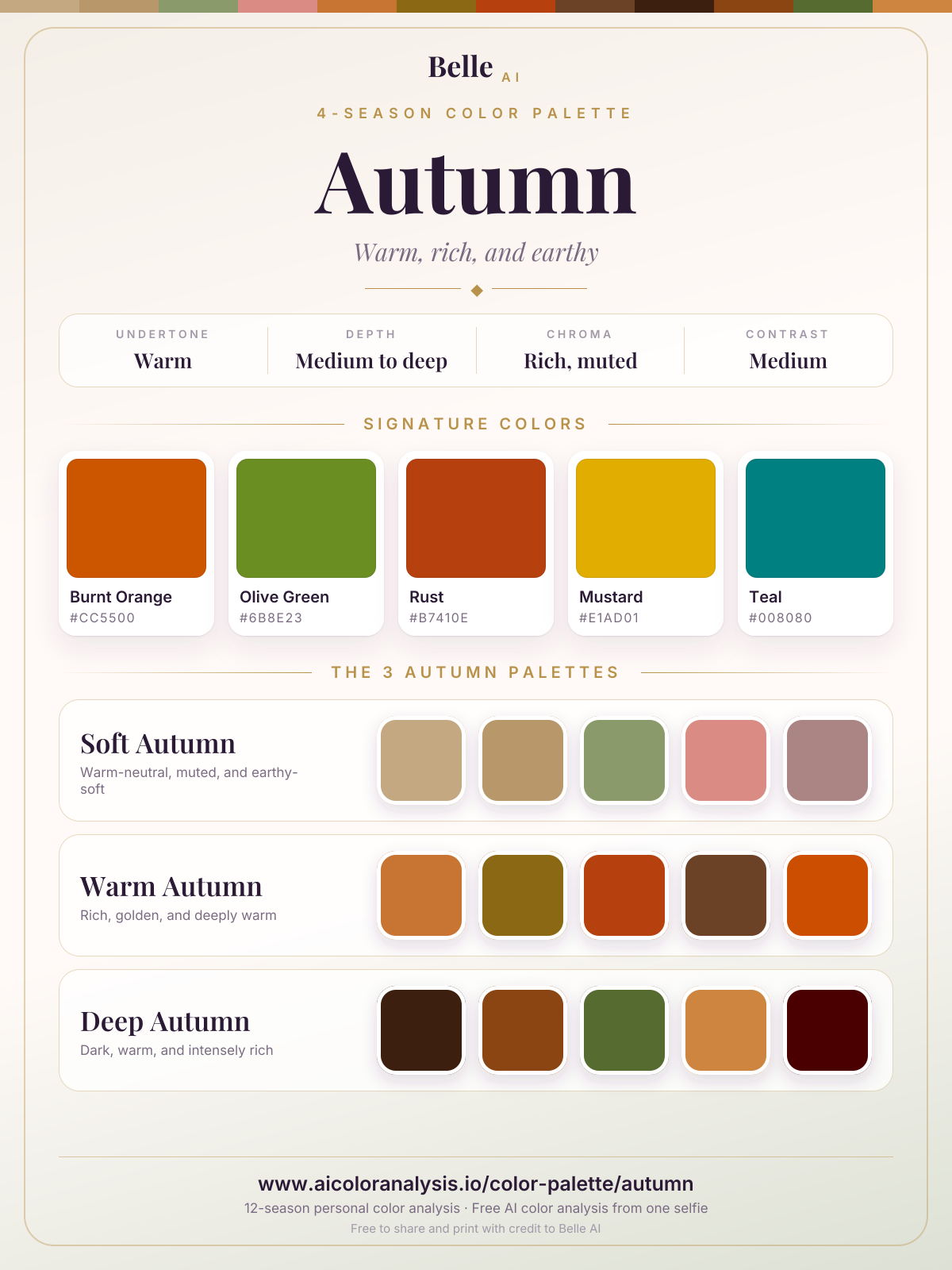

At a glance
Belle AI is an AI personal color analysis tool. From one selfie it estimates your skin undertone and which of the 12 color seasons you are, then gives you a personal palette with makeup, hair, jewelry and glasses picks in about 60 seconds.
- Cost
- Free to try, no signup: you see your season and palette at no cost. The full report, PDF and poster come with the $19.99 Color Kit (one-time payment, no subscription, one free re-test within 14 days). Result photos for other analyses use credits: 10 for $4.99.
- Limits
- An AI's visual judgment, not a measurement. Lighting, camera and makeup change the result, and it can differ from an in-person consultation.
- How it works
- Google Gemini does the analysis and OpenAI GPT Image makes the result photos, both guided by Belle AI's own prompts. There is no custom-trained model.
- Your photo
- Used only to create your report (the AI providers above process it) and kept in your private history. You can ask us to delete it at any time.
What's Inside Your Color Report
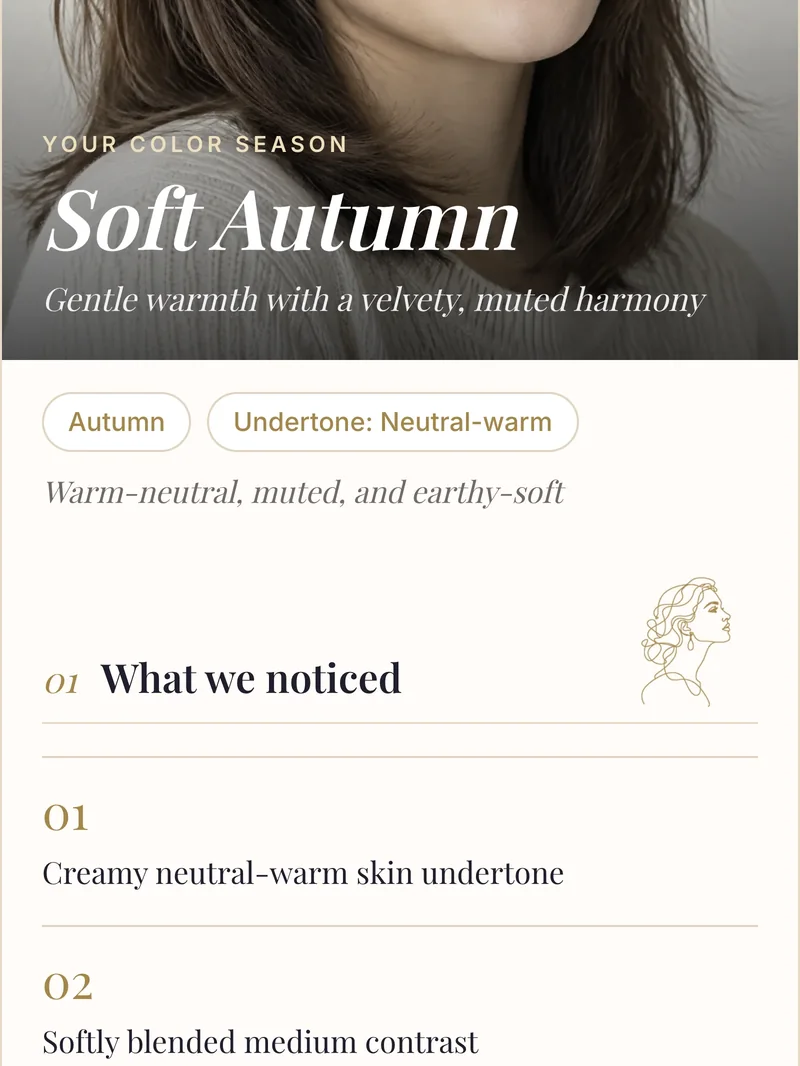
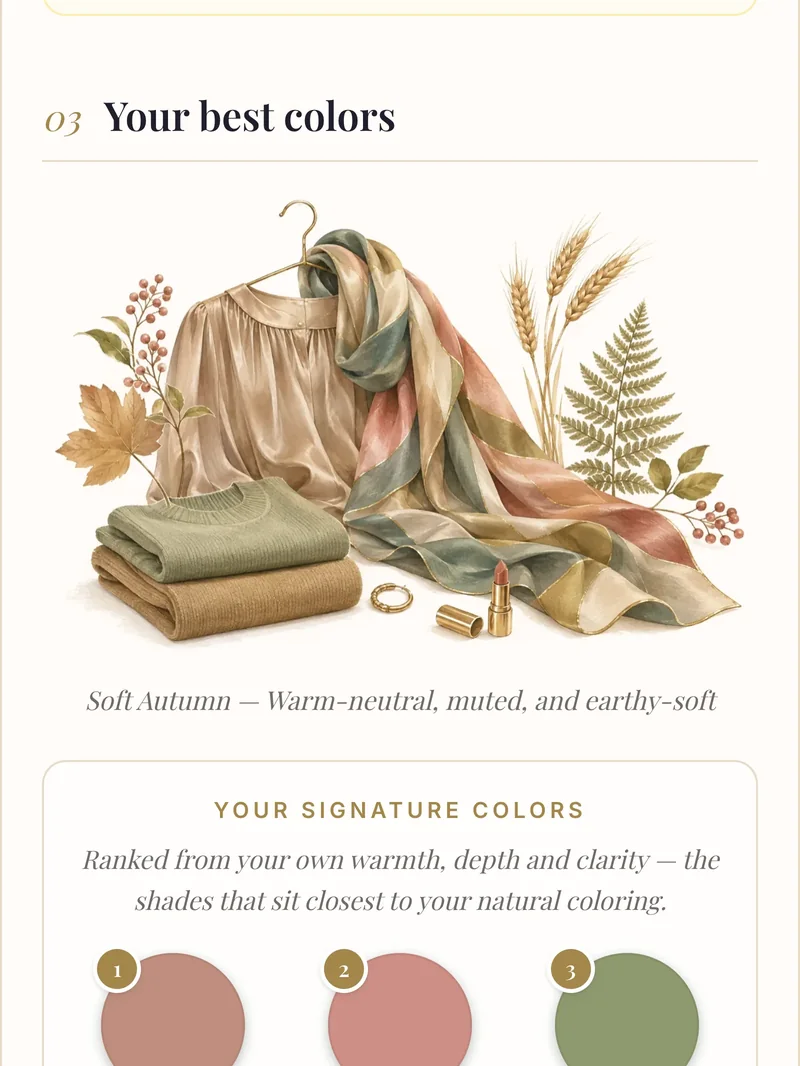
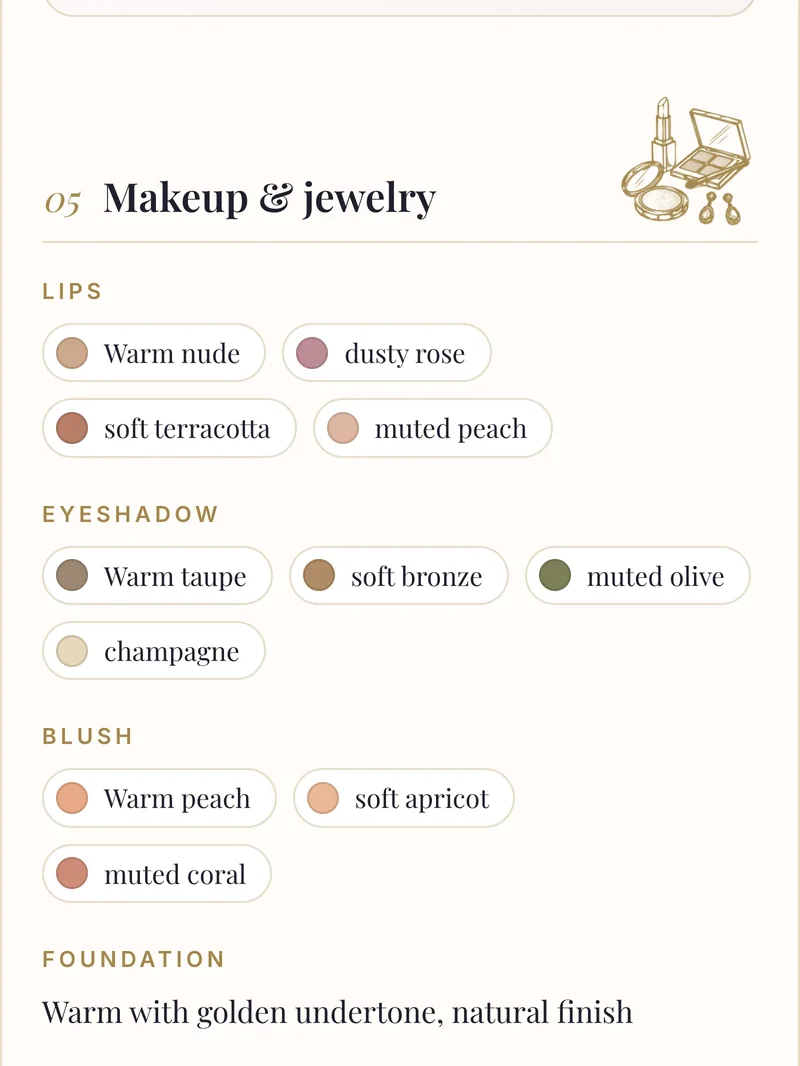
Every page below is cut from a real report. This example is a Soft Autumn; yours is written from your own photo.
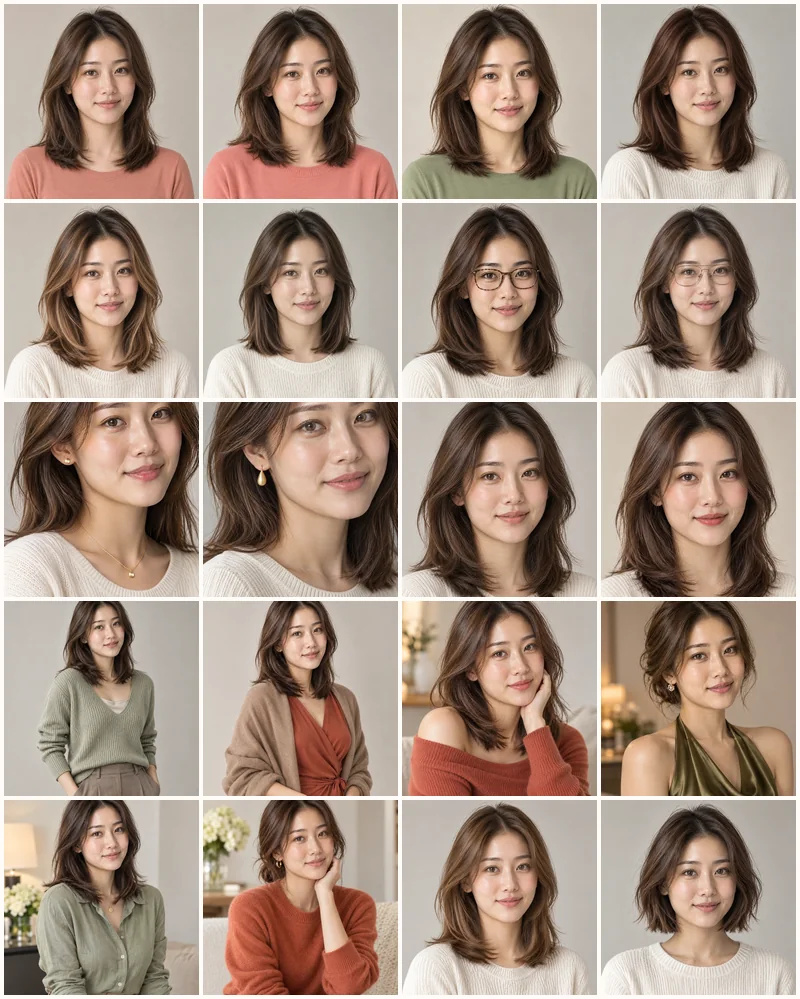
How AI Color Analysis Works
Three simple steps to discover your perfect colors
Upload a Selfie
Take a bare-face photo in natural light. No makeup, no filters needed.
AI Analyzes Your Colors
Our AI examines your skin undertone, eye color, hair shade, and contrast level to determine your season.
Get Your Color Palette
Receive your seasonal color type with a full palette of your best colors for clothing, makeup, and more.
Your Photo, Your Control
- Used only to create your report
- Saved in your private history, visible only to you
- Delete anytime on request
Learn in video
Short, clear explainers on color theory, undertones and finding your season.
Color Theory in 6 Minutes: Wheel, 6 Harmonies & Your Best Colors
Color theory explained from scratch: the color wheel, the four qualities of every color (hue, saturation, value and temperature), the six color harmonies designers use, and how it all connects to the 12 season system behind personal color analysis.
The 12 Color Seasons Explained (and How to Find Yours)
Spring, summer, autumn and winter are only the beginning. See how the twelve color seasons fit together, learn the six dominant traits (light, deep, warm, cool, bright and soft) that separate them, meet the signature colors of all twelve seasons, and find out how to work out which one is yours.
Warm or Cool Undertone? 3 Easy Tests You Can Do at Home
Not sure if your skin is warm, cool or neutral? Do three simple tests at home (the white paper test, the vein test, and the gold vs silver test), combine the results, and avoid the three mistakes that fool almost everyone.
Color Analysis at Home: The Draping Test, Step by Step
Professional color analysts rely on draping: holding fabric in different colors under your chin and watching what happens to your face. Do a simple version at home: set up the light, build a small drape kit, run three rounds (warm vs cool, light vs deep, soft vs bright), learn how to read what you see, and avoid the three mistakes that mislead almost everyone.
Soft Autumn vs Soft Summer: How to Tell the Difference (3 Tests)
Soft Autumn and Soft Summer are two of the most commonly confused color seasons: both are muted and low contrast, so quizzes and photos often give mixed results. See what they share, how their skin, eyes, hair and palettes differ, and three simple tests (gold vs silver, olive vs lavender, warm beige vs cool gray) that settle it at home, plus what to do if you land in between.
Complete Color Analysis Suite
Everything you need to discover and use your best colors
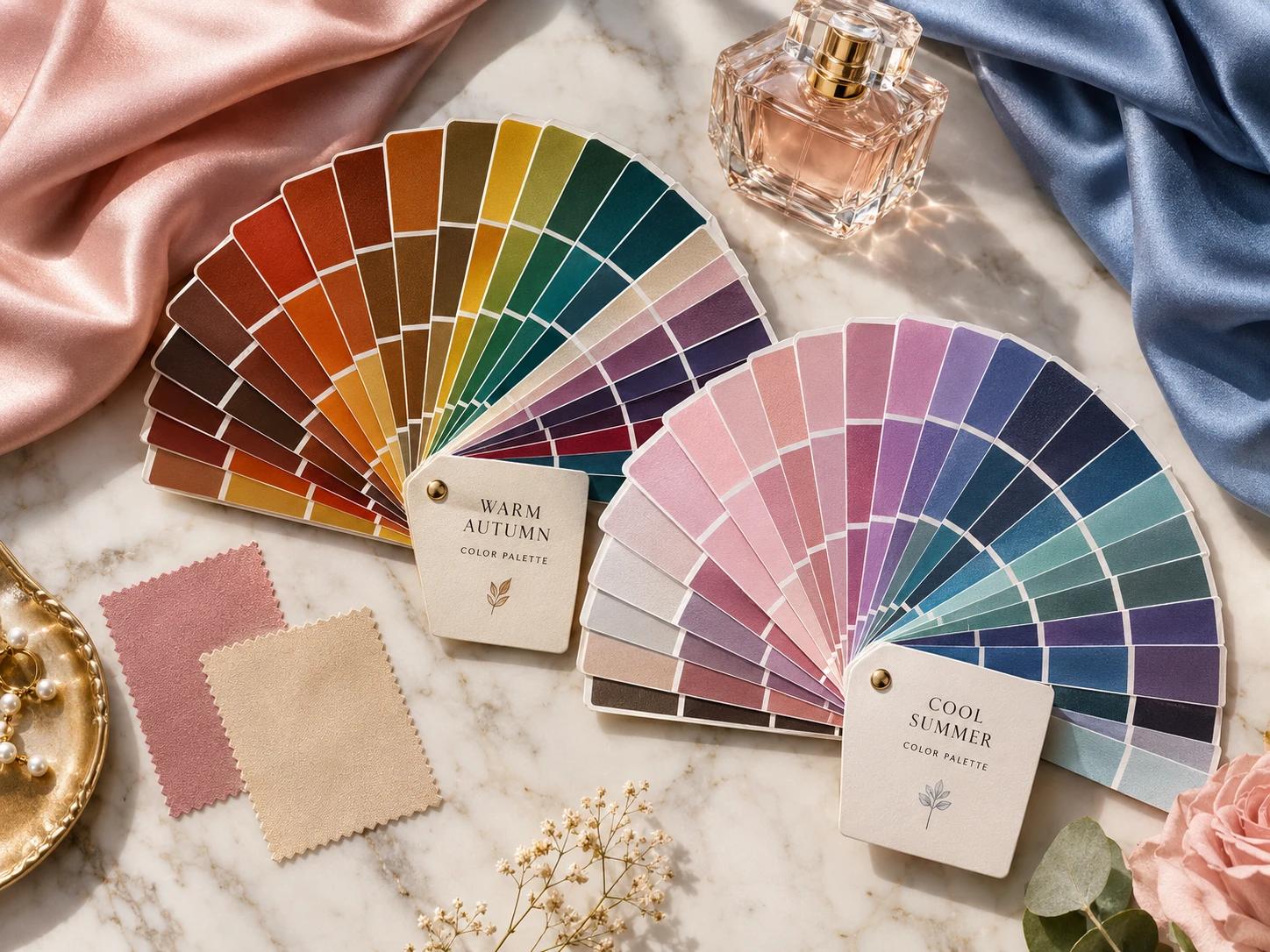
Personal Color Analysis
12-season color typing with personalized palettes for makeup, fashion, hair color, and jewelry metals.
Learn More →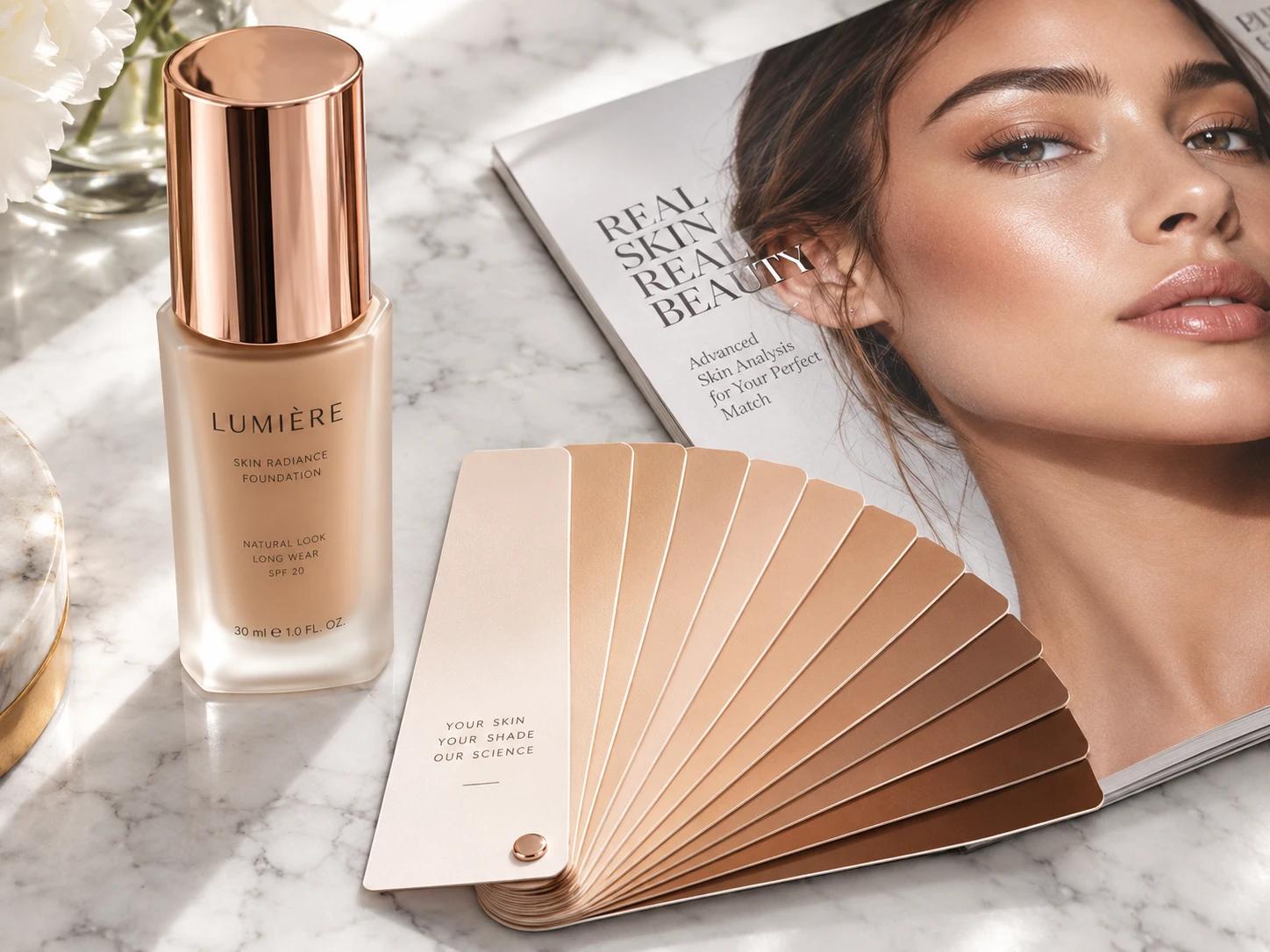
AI Makeup Analysis
Skin tone, eye makeup, lip colors, blush, contour, and 3 complete looks – from daily to evening glam.
Learn More →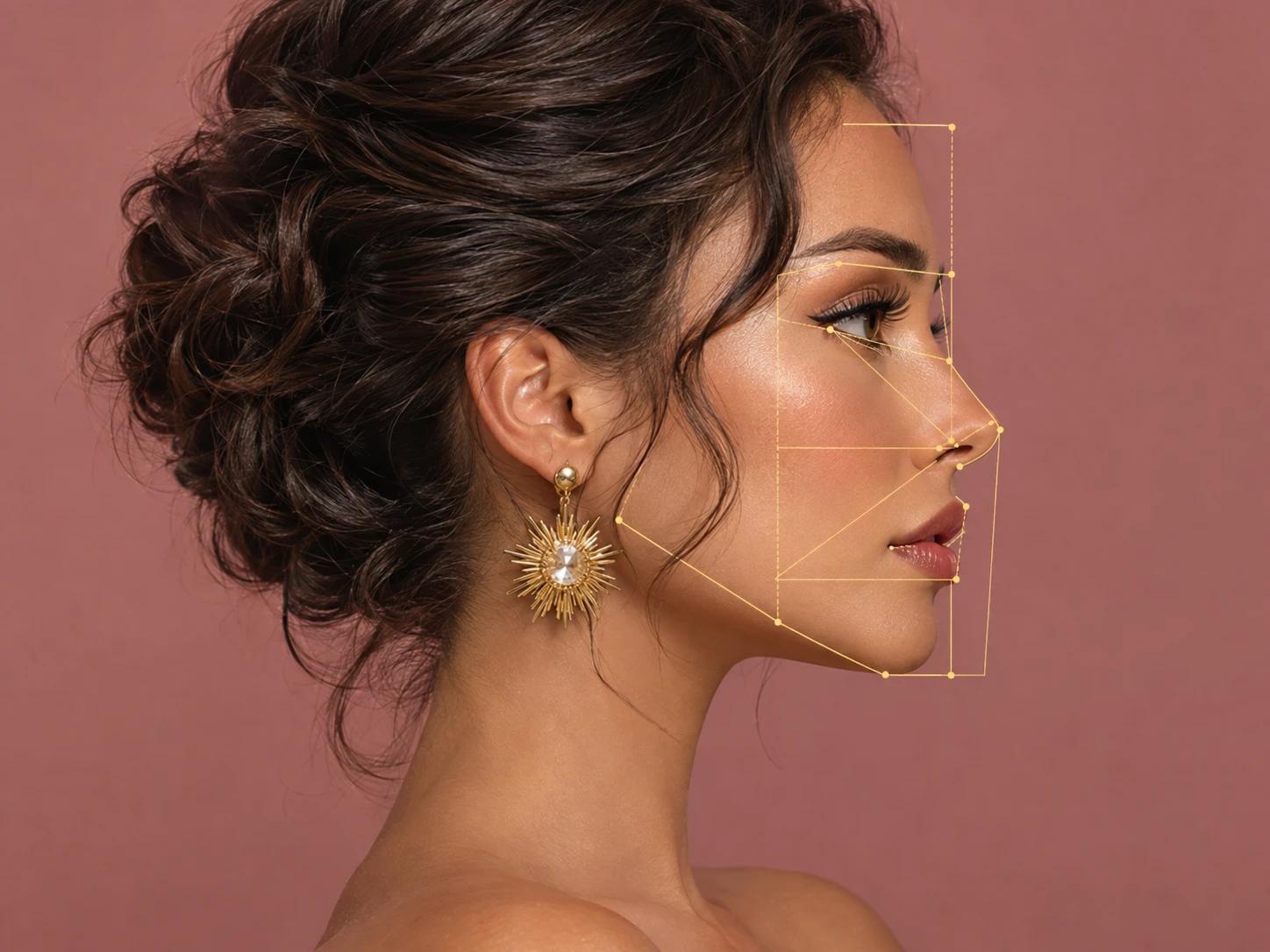
Face Shape & Hairstyle
Face shape classification with top 3 hairstyle recommendations, bangs guide, and styles to avoid.
Learn More →Explore All Analysis Types
Go beyond color – discover your complete beauty profile
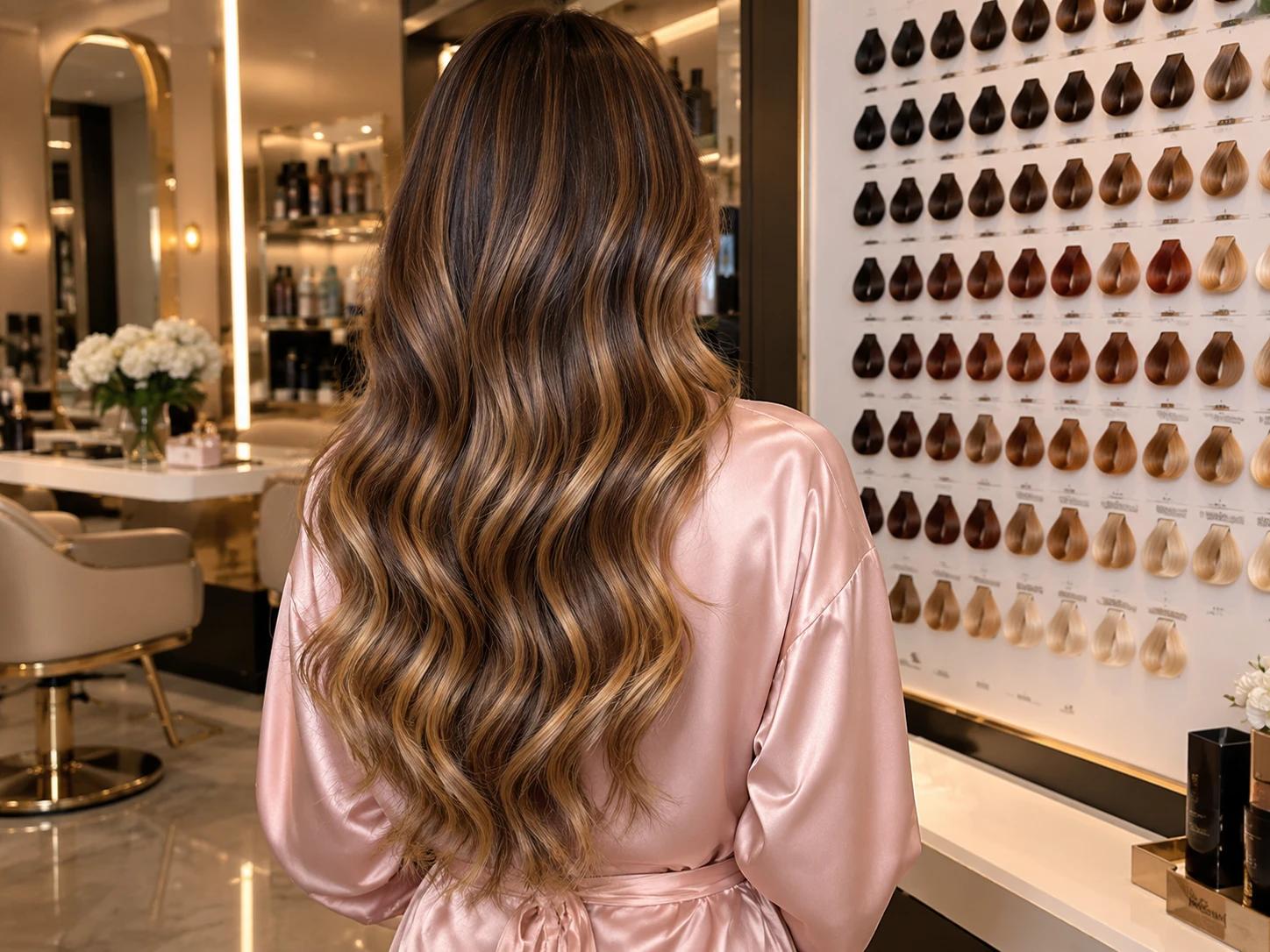
Hair Color Preview
See which hair colors complement your skin tone, eyes, and season before you dye.
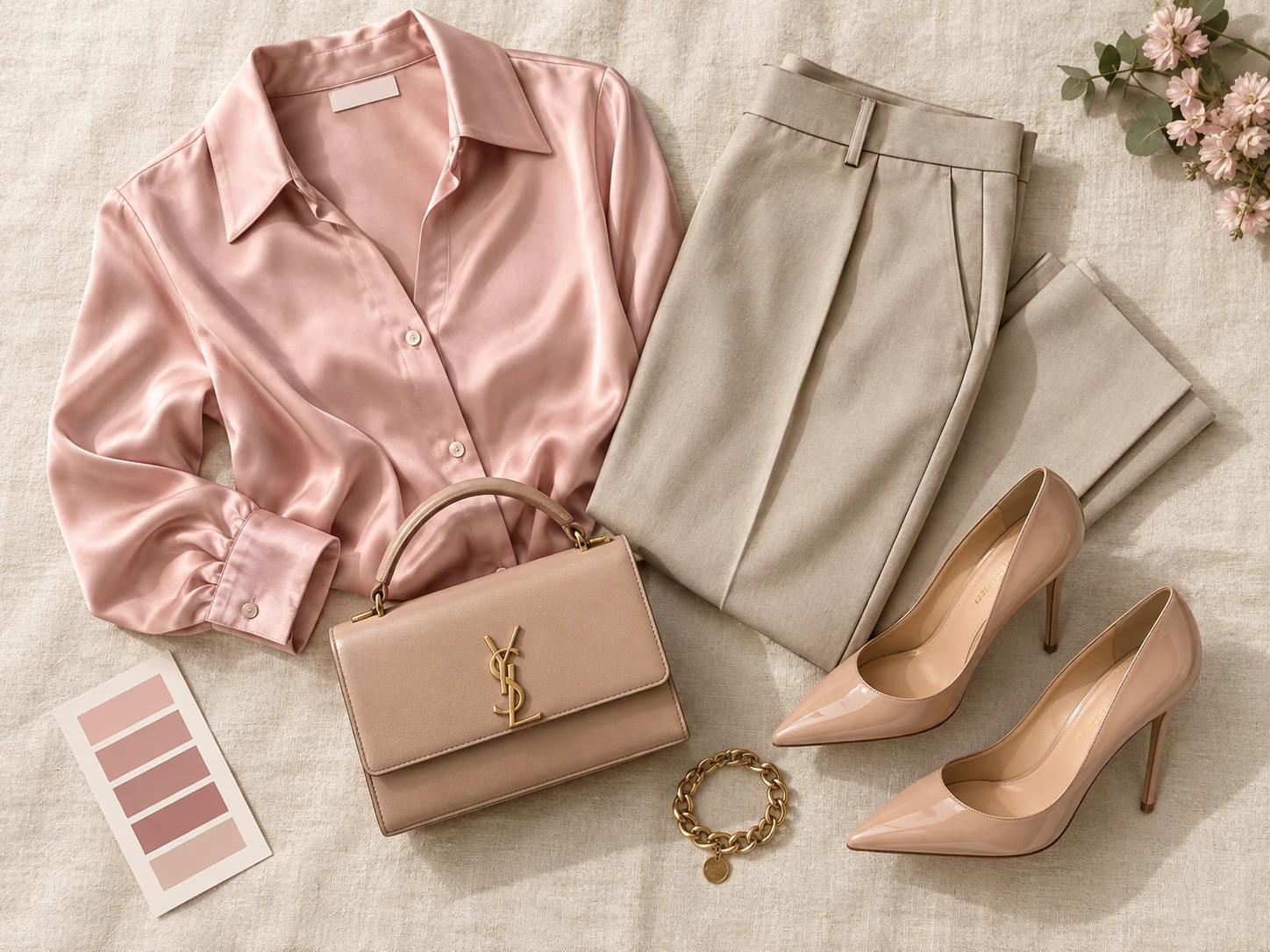
Outfit Color Matching
Get outfit color palettes tailored to your seasonal type for any occasion.
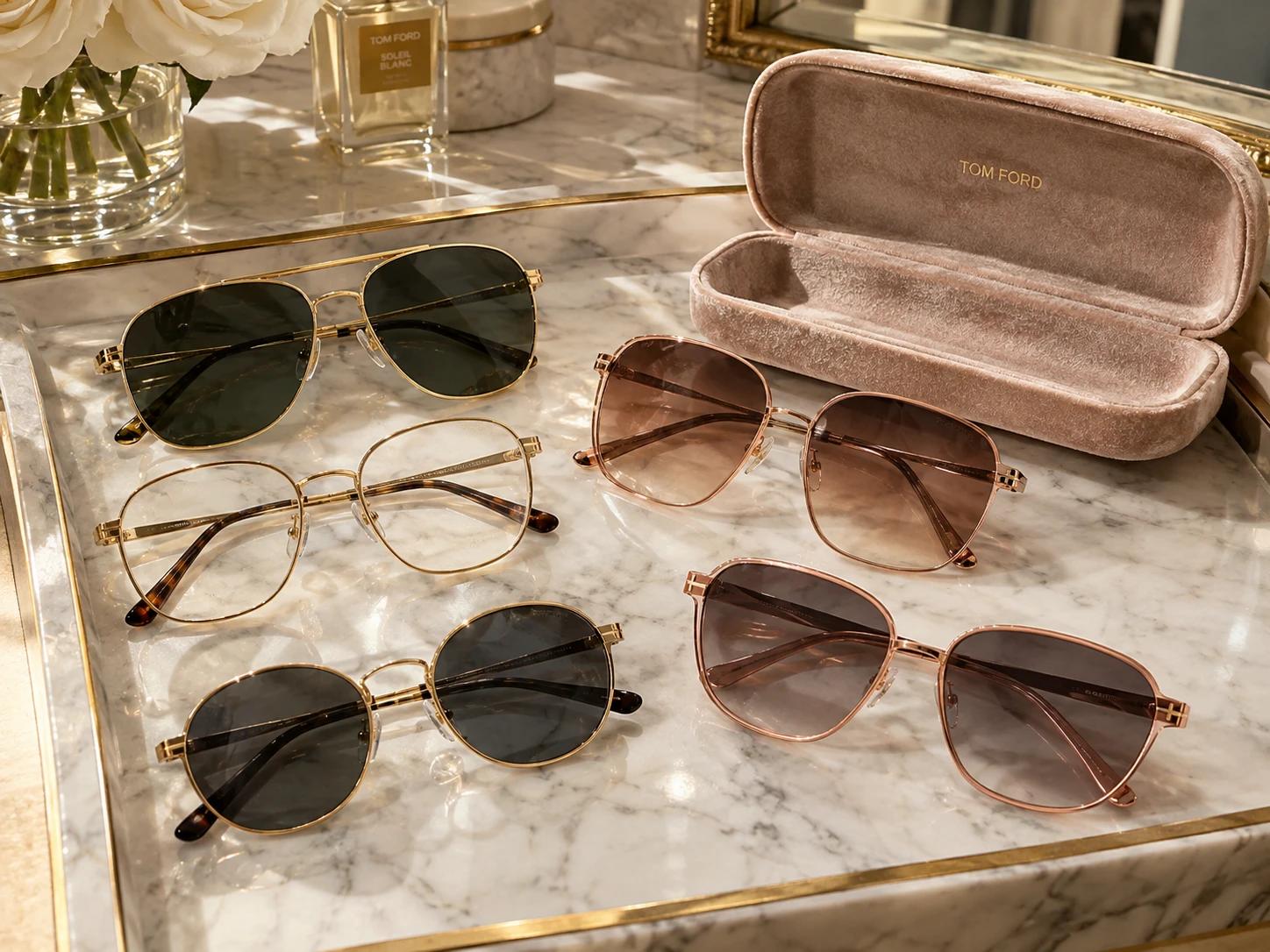
Glasses Matching
Find the ideal frame shape, color, and style based on your face shape and coloring.
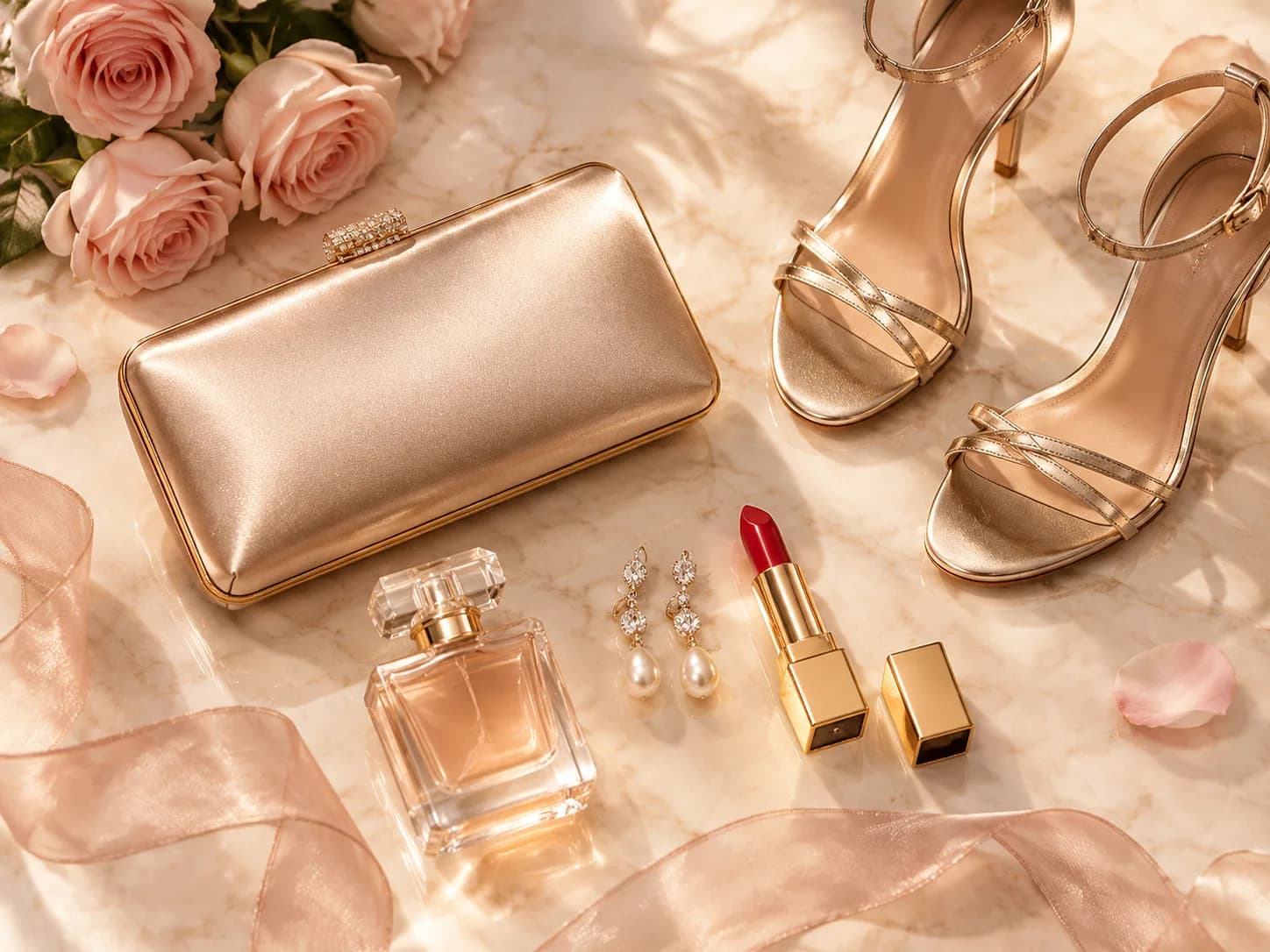
Occasion Makeup
Get tailored makeup looks for dates, interviews, weddings, festivals, and more.
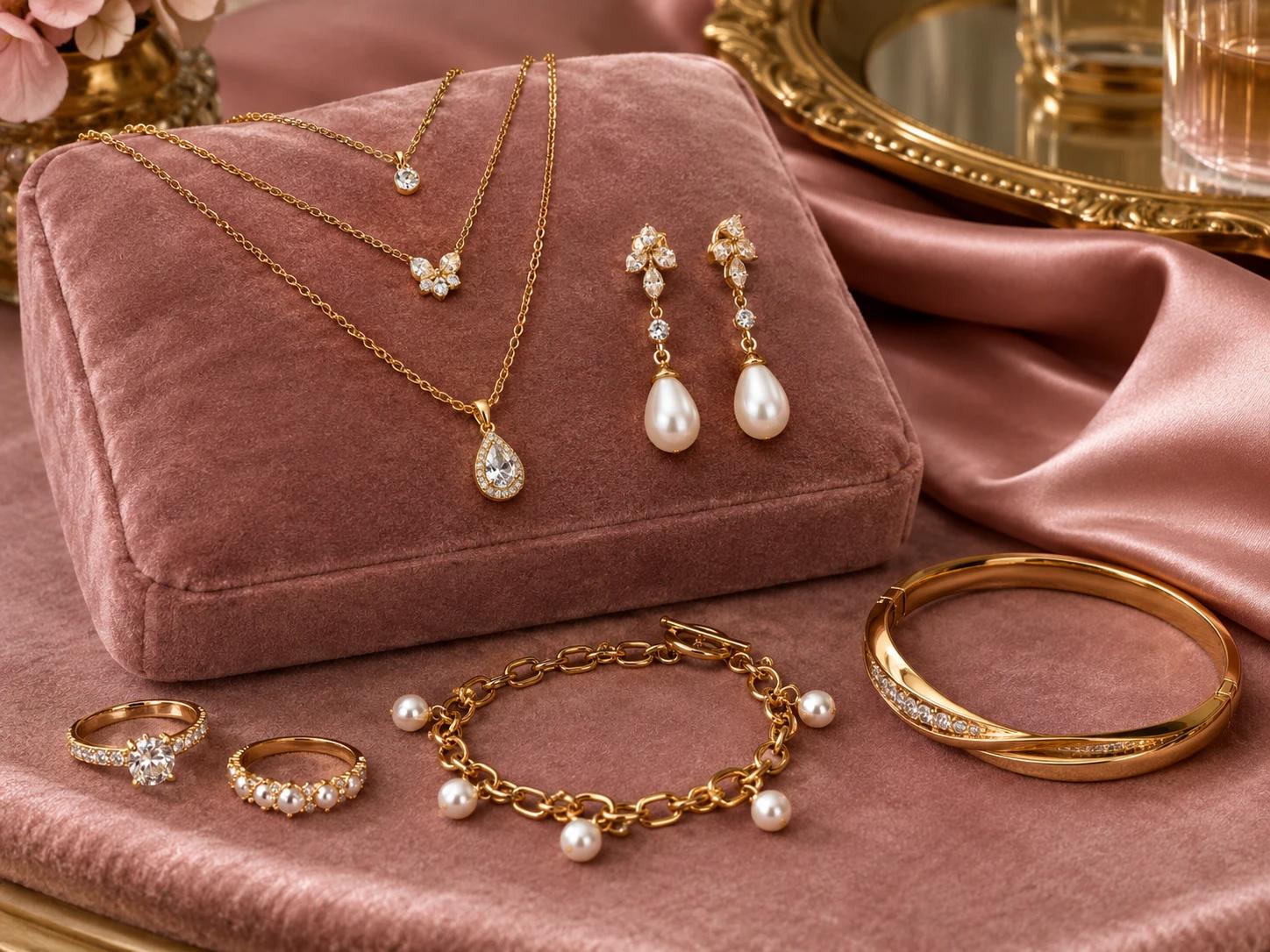
Jewelry Guide
Discover which metals, gemstones, and jewelry styles best complement your features.
Glow-Up Report
Your best version on your own photo: before and after, with four changes explained.
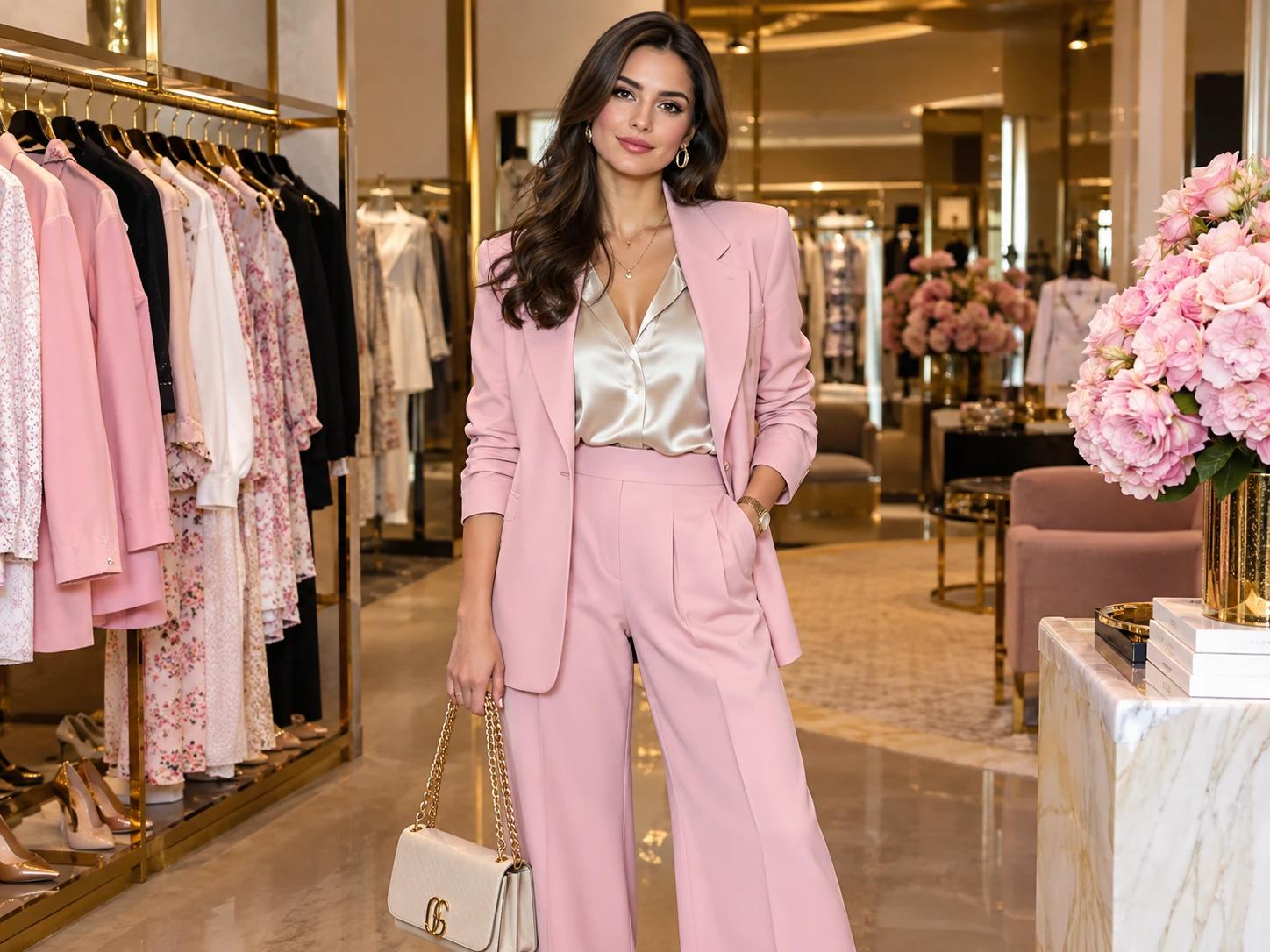
Style Personality
Discover your unique style archetype and build a wardrobe that matches who you are.
Celebrity Match
Find your celebrity style twin and get inspiration from their best looks.
Why AI Color Analysis?
Free to Try & Fast
Preview your result in 60 seconds. No appointment, no waiting, no signup required.
Detailed Results
AI looks at undertone, depth, and contrast – the same color factors professional colorists consider.
A Fraction of the Cost
In-person color consultations typically cost $150–$400. Start with a free AI analysis and decide if you want more.
Truly Personal
Results based on your unique features, not generic questionnaire answers.
What an AI color analysis actually measures
An AI color analysis reads four color signals from your selfie and matches them to the 12-season system – the same framework a professional uses in an in-person color analysis (spelled colour analysis in the UK and Australia). New to the idea? Start with our complete color analysis guide.
Undertone (Hue)
Whether your skin has warm (golden/peachy) or cool (pink/rosy) undertones. This is the single most important factor — it determines whether you're in a warm season (Spring/Autumn) or cool season (Summer/Winter).
Depth (Value)
How light or dark your overall coloring is — considering skin, hair, and eyes together. This separates Light seasons (Light Spring/Light Summer) from Deep seasons (Deep Autumn/Deep Winter).
Chroma (Clarity)
Whether your coloring is muted (soft, dusty, blended) or clear (vivid, bright, saturated). This distinguishes Soft seasons from Bright seasons.
Contrast
The difference in lightness between your skin, hair, and eyes. High contrast (dark hair + light skin) vs. low contrast (everything similar in depth) affects which specific colors within your season work best.
Browse all 12 color seasons
Already know your season? Open the full palette, makeup and styling guide for each one.
Prefer not to upload a photo? Take the free color analysis quiz. Want the details first? Read how personal color analysis works, or our guide to free AI color analysis online and what it can and can't tell you.
AI Color Analysis vs. In-Person Consultation
See how our AI-powered analysis compares to traditional methods
| Belle AI | In-Person Stylist | Basic Quiz | |
|---|---|---|---|
| Time | 60 seconds | 1–2 hours | 3 minutes |
| Cost | Free to start | $200–$500 | Free |
| Accuracy | Good starting point | Highest | Low–Medium |
| Color System | 12 Seasons | 12–16 Seasons | 4 Seasons |
| Includes Makeup Tips | ✓ | Sometimes | ✗ |
| Visual Report | ✓ Magazine-quality | Verbal / PDF | ✗ |
Color Analysis FAQ
What is personal color analysis?+
Personal color analysis (also called seasonal color analysis, or colour analysis in British English) is a method of finding the colors that best complement your natural coloring – skin tone, eye color, and hair color. When you wear your best colors, your skin looks healthier, your features stand out, and you look more vibrant overall. The system categorizes people into seasonal types (Spring, Summer, Autumn, Winter) with sub-types for more precision.
How does AI color analysis work?+
Our AI uses computer vision to analyze key color signals from your photo: skin undertone (warm, cool, or neutral), depth (how light or dark your overall coloring is), contrast (the difference between your lightest and darkest features), and chroma (how muted or saturated your coloring is). These measurements are compared against the 12-season color system to find your best match – the same idea behind any AI colour analysis tool.
Is AI color analysis accurate?+
It is a useful starting point, but not a substitute for an in-person consultation. Belle uses an AI image model to judge your coloring, so results can vary with lighting, camera, and makeup. For best accuracy, use a clear photo in natural daylight with no makeup or filters. People with ambiguous coloring between two seasons may benefit from trying both palettes.
Do I need to upload a photo?+
For AI analysis, yes – a clear selfie in natural light gives the most accurate results. If you prefer not to upload a photo, you can take our free color analysis quiz instead, which asks questions about your features to determine your season.
What will I learn from my color analysis?+
You'll discover your seasonal color type (e.g., Soft Autumn, Bright Winter), get a personalized palette of your most flattering colors, learn which colors to avoid, and receive specific recommendations for makeup shades, clothing colors, hair color, and jewelry metals.
How is this different from an in-person consultation?+
An in-person consultation with a professional colorist typically costs $200-$500 and takes 1-2 hours. Our AI analysis gives you instant results based on the same 12-season framework. Professional draping remains the gold standard, and AI results can vary with lighting, camera, and makeup, so treat them as a helpful starting point.
Ready to Find Your Best Colors?
Discover your perfect color palette with AI. Free to try, results in 60 seconds, no signup required.
Free preview • No signup required • Results in 60 seconds • 12-season analysis