Autumn Color Palettes Decoded: Deep Autumn vs True Autumn vs Soft Autumn
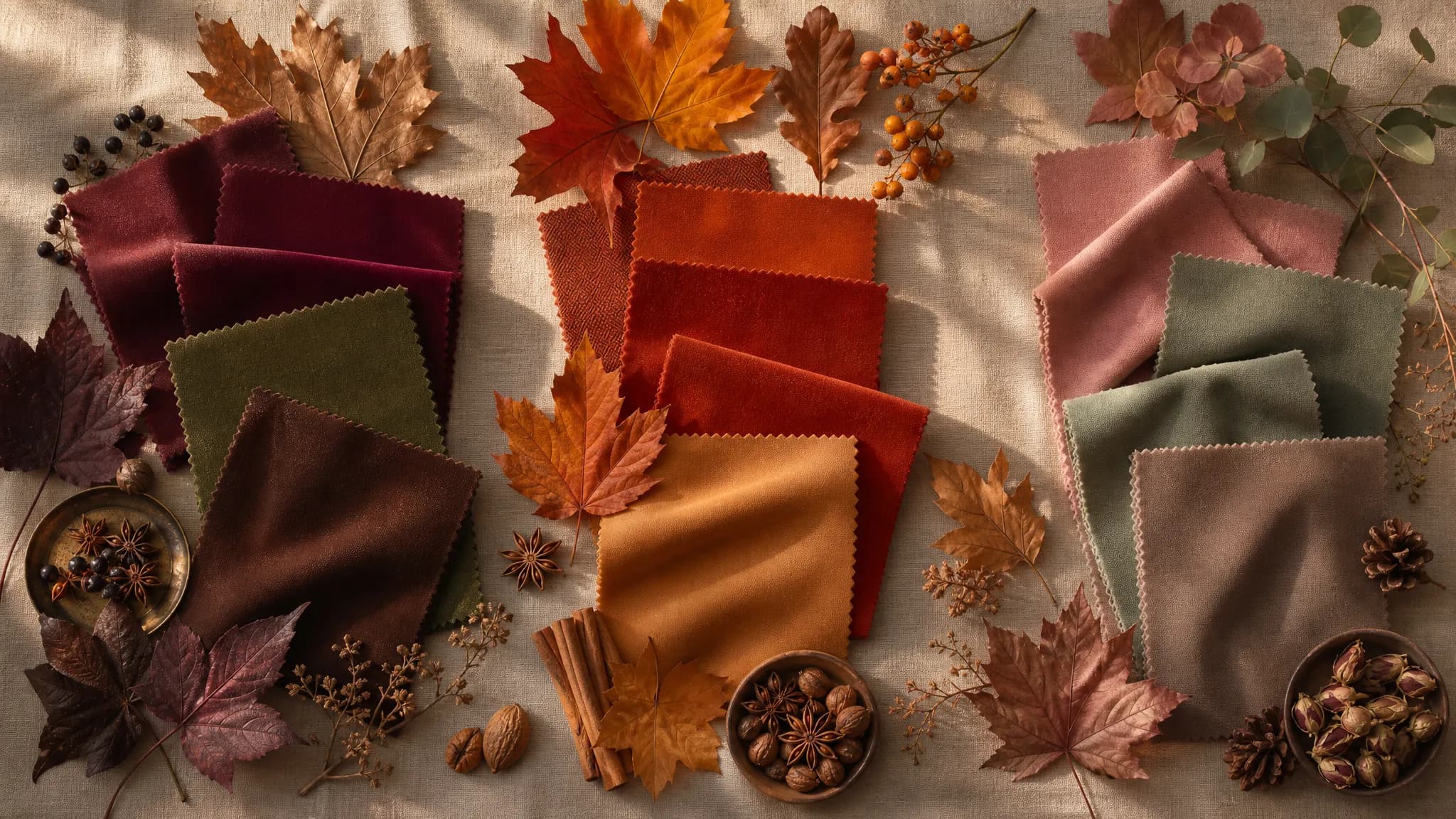
You're an Autumn — But Which Kind?
So your color analysis came back Autumn. You've got warmth in your veins, richness in your coloring, and you look incredible in shades that remind people of forest floors, harvest markets, and golden hour.
But here's where it gets interesting — there are three distinct Autumn sub-seasons in the 12-season color analysis system, and they're more different than most people realize. A color that makes one Autumn type look radiant can make another look muddy or washed out.
I've seen this mistake so many times: someone discovers they're an Autumn, fills their closet with every shade of orange and brown they can find, and then wonders why some pieces make them glow while others make them look tired. The answer is almost always a sub-season mismatch.
In this guide, I'll walk you through Deep Autumn, True Autumn, and Soft Autumn — what makes each one unique, which colors are your best and worst, and exactly how to figure out which Autumn you actually are.
What All Autumns Have in Common
Before we get into the differences, let's talk about what unites the Autumn family.
Every Autumn shares these core traits:
- Warm undertone — your skin has a golden, peachy, or warm-olive quality
- Rich, saturated coloring — there's a density and earthiness to your natural palette
- Warm-toned eyes — amber, warm brown, hazel with gold flecks, olive green, or warm green
- Hair with warm tones — auburn, chestnut, warm brown, copper, strawberry blonde, or dark brown with reddish highlights
- Medium to high depth — Autumns rarely look washed out; there's substance to their coloring
Think of the color energy of a New England fall: burnished gold, terracotta, deep olive, rich burgundy, warm chocolate. Autumn palettes capture that energy — they're warm, rich, and grounded.
The three sub-seasons differ based on their secondary characteristic:
| Sub-Season | Primary Quality | Secondary Quality | Think Of It As... |
|---|---|---|---|
| Deep Autumn | Warm | High depth/richness | Autumn meets Winter |
| True Autumn | Warm | Medium warmth | The most "typical" Autumn |
| Soft Autumn | Warm | High mutedness | Autumn meets Summer |
Let's break each one down.
See your personal color palette now
Upload a photo — get your AI beauty report in 60 seconds.
Deep Autumn: The Dramatic Warmth
Who They Are
Deep Autumns sit at the border between Autumn and Winter. They carry the warmth of Autumn but with a depth and intensity that other Autumns can't match. They're the people who can pull off rich, saturated colors that would overpower lighter Autumn types.
Physical characteristics:
- Skin: Medium to deep with warm-olive, golden-bronze, or rich warm-beige undertones
- Eyes: Dark warm brown, deep olive, dark hazel, or rich chocolate with amber flecks
- Hair: Dark brown with warm undertones, deep auburn, espresso, or black-brown
- Overall impression: Deep, warm, and high-contrast — there's an intensity to their coloring that commands attention
Best Colors
Deep Autumn's palette is built around warm, saturated colors with significant depth:
- Reds: Burgundy, oxblood, dark tomato red, warm cranberry
- Oranges: Burnt sienna, deep terracotta, dark rust, spiced pumpkin
- Greens: Forest green, deep olive, dark teal (warm-leaning), hunter green
- Browns: Espresso, dark chocolate, warm mahogany, chestnut
- Others: Deep gold, dark turquoise, warm plum, eggplant, dark warm coral
- Neutrals: Dark chocolate brown, warm charcoal, deep camel, dark olive
Colors to Avoid
- Pastel anything — baby pink, powder blue, light lavender
- Cool-toned brights: fuchsia, electric blue, cool magenta
- Icy whites and cool gray
- Light, washed-out colors: pale peach, light mint, soft lilac
- Neon or fluorescent shades
Deep Autumn vs Dark Winter
This is one of the trickiest distinctions in color analysis. Both are deep and dramatic. The key: Deep Autumns have undeniable warmth — hold a warm rust next to a cool burgundy near your face. If the warm shade makes your skin glow and the cool one makes it look grayish, you're Deep Autumn. Dark Winters lean cool even in their depth.
True Autumn: The Harvest Classic
Who They Are
True Autumn (sometimes called Warm Autumn or Pure Autumn) is the most balanced, quintessential Autumn type. They embody everything people picture when they think "autumn colors" — warm, rich, earthy, and golden. These are the people who look born to wear that perfect camel coat or rust-colored sweater.
Physical characteristics:
- Skin: Warm beige, golden, peach-toned, or warm olive; often freckled or with a natural warm flush
- Eyes: Warm hazel, topaz brown, amber, golden-green, or warm olive
- Hair: Auburn, copper, warm chestnut, golden brown, or strawberry blonde — hair often has red or gold highlights in sunlight
- Overall impression: Undeniably warm, medium-depth, and golden — like they're always standing in golden hour light
Best Colors
True Autumn's palette is the definitive warm earth tone collection:
- Oranges: Pumpkin, terracotta, burnt orange, warm coral, sienna
- Reds: Tomato red, warm brick red, dark salmon, rust
- Greens: Olive, moss green, khaki, warm sage, forest green (warm-cast)
- Browns: Camel, cognac, warm tan, saddle brown, cinnamon
- Yellows: Mustard, golden amber, dark gold, warm honey
- Neutrals: Camel, warm beige, coffee brown, warm ivory, cream
Colors to Avoid
- Cool pinks: rose, mauve, cool berry
- Blue-based colors: royal blue, periwinkle, cobalt
- Silver and cool metallics
- Pure white (warm ivory is fine)
- Cool gray, charcoal, and black (looks disconnected from their warmth)
- Pastel or icy versions of any color
True Autumn's Signature Move
True Autumns have a superpower that no other season can match: they own earth tones like nobody else. Colors that look boring on other people — khaki, olive, camel, rust — become elevated and sophisticated on True Autumns. Where a Summer would look drained in mustard, a True Autumn looks like they stepped out of a Vogue editorial.
Soft Autumn: The Gentle Warmth
Who They Are
Soft Autumns sit at the border between Autumn and Summer. They have warmth, but it's tempered — muted, gentle, and whisper-soft rather than bold. They're often the hardest Autumn to identify because their coloring is so subtle that they can be mistaken for Soft Summers.
Physical characteristics:
- Skin: Light to medium with a warm-neutral quality; can be olive-neutral, soft peach, or warm beige with low saturation
- Eyes: Soft hazel, grayed green, warm gray-blue, or muted brown with gold flecks
- Hair: Mousy brown with warm undertones, dark blonde, ashy golden brown, or medium brown that can't decide if it's warm or cool
- Overall impression: Muted, low contrast, and gently warm — as if someone applied a soft-focus filter to an Autumn palette
Best Colors
Soft Autumn's palette is built on muted, dusty warm tones:
- Greens: Sage, muted olive, eucalyptus (warm-leaning), soft khaki, faded jade
- Browns: Taupe, warm mushroom, soft camel, light cocoa, fawn
- Pinks/Reds: Dusty rose (warm-cast), muted coral, salmon, warm mauve
- Oranges: Muted terracotta, soft peach, dusty apricot, light rust
- Yellows: Soft gold, wheat, light amber, champagne
- Neutrals: Warm greige, stone, oatmeal, soft camel, warm ivory
Colors to Avoid
- Bright, saturated colors of any temperature
- Deep, heavy colors: black, dark navy, deep burgundy
- High-contrast combinations
- Neon or electric shades
- Cool, icy colors: ice blue, bright white, cool silver
- Pure primary colors: true red, sunshine yellow, cobalt blue
Soft Autumn's Secret Weapon
Soft Autumns often feel frustrated because they think their best colors are "boring." But here's the truth: Soft Autumns create the most effortlessly sophisticated looks in the entire 12-season system. Their muted palette creates a tonal dressing effect that looks incredibly expensive. Think of a head-to-toe camel and cream outfit with sage accents — on a Soft Autumn, this looks like quiet luxury personified.
How to Tell Which Autumn You Are
Still not sure? Here are three practical tests:
Test 1: The Depth Test
Try these three colors next to your face in natural light:
- A deep burgundy or espresso (Deep Autumn)
- A medium pumpkin or warm terracotta (True Autumn)
- A soft sage or dusty camel (Soft Autumn)
Which depth level makes your features come alive without overpowering them?
Test 2: The Saturation Test
Hold up three warm fabrics of the same color family:
- A rich, saturated olive (Deep Autumn)
- A clear, medium olive (True Autumn)
- A dusty, muted olive (Soft Autumn)
Your best saturation level reveals your sub-season more reliably than any quiz.
Test 3: The Contrast Test
Look at your natural coloring in a mirror:
- Is there a strong contrast between your hair, skin, and eyes? → Deep Autumn
- Is there a moderate, warm contrast — clearly defined but not dramatic? → True Autumn
- Is there very little contrast — your features blend together softly? → Soft Autumn
Practical Styling Tips by Sub-Season
Deep Autumn Wardrobe Strategy
Build your wardrobe on a base of dark chocolate, deep olive, and warm charcoal. Your accent colors are burgundy, burnt orange, and forest green. Gold jewelry in rich tones (not too yellow or bright) is your signature. For makeup, lean into warm berry lips, bronze and copper eyeshadows, and warm bronzer for contour.
True Autumn Wardrobe Strategy
Your base should be camel, cognac, and warm beige. Everything should feel warm and rich without being too dark or too light. Your accent colors are rust, olive, and mustard. Gold jewelry is your absolute best metal. For makeup, warm coral lips, terracotta blush, and amber/copper eyeshadows create that natural golden glow.
Soft Autumn Wardrobe Strategy
Build on taupe, oatmeal, and soft camel. Keep everything muted and tonal — Soft Autumns look best in low-contrast, monochromatic outfits. Your accent colors are sage, dusty rose, and soft terracotta. Both matte gold and antique rose gold work beautifully. For makeup, think nude-peach lips, soft warm blush, and warm-toned neutrals with no shimmer.
Autumn Metals and Jewelry Guide
Autumns are generally gold people, but the specific tone varies:
| Sub-Season | Best Metal | Also Works |
|---|---|---|
| Deep Autumn | Rich antique gold, brass | Bronze, dark copper |
| True Autumn | Classic warm gold, copper | Brass, bronze |
| Soft Autumn | Matte gold, rose gold | Antique brass, soft copper |
Silver is a struggle for all Autumn types. If you love silver jewelry, opt for white gold with a warm cast or mixed-metal pieces instead.
The Technology Shortcut
Traditionally, identifying your Autumn sub-season required a professional draping session — sitting in natural light while a color analyst holds dozens of warm-toned fabrics against your face. It works, but it's expensive (typically $150-300) and limited to major cities.
Today, AI-powered color analysis tools can examine your skin undertone, eye color, and hair shade to determine your exact sub-season in under a minute. Platforms like AI color analysis use computer vision to measure the same warmth, depth, and saturation signals that professional analysts assess — making it accessible to anyone with a phone and a window.
Key Takeaways
- Deep Autumn: The most intense of the Autumns. Rich, deep, and saturated warm colors. Borders Winter.
- True Autumn: The balanced center. Medium-depth, clearly warm, and earthy. The quintessential Autumn.
- Soft Autumn: The most muted of the Autumns. Dusty, gentle, and sophisticated warm-neutrals. Borders Summer.
- All Autumns share warm undertones and rich, grounded coloring — the difference is depth and saturation.
- When in doubt, try the depth test: your sub-season is revealed by how much color weight your features can carry without being overpowered.
Understanding your specific Autumn sub-season transforms how you shop, how you get dressed in the morning, and how confident you feel walking out the door. You're not just "an Autumn" — you're a specific shade of warm, and knowing exactly which one unlocks a wardrobe that genuinely works for you.
Related Articles
- Color Analysis: The Complete Guide — Everything you need to know about finding your best colors
- Soft Autumn Color Palette — Full palette, makeup & wardrobe guide
- Warm Autumn Color Palette — Full palette, makeup & wardrobe guide
- Deep Autumn Color Palette — Full palette, makeup & wardrobe guide
- Spring Color Palettes Decoded: Bright Spring vs True Spring vs Light Spring — The warm-season counterpart to this guide
- Summer Color Palettes Decoded: Cool Summer vs True Summer vs Soft Summer — How the cool muted seasons compare
- Deep Winter Color Palette: Your Complete Style Guide — Deep Autumn's cool-toned neighbor
- Best Colors for Warm Undertones — Broader warm-toned color guide for all Autumn types
Want to try AI color analysis yourself?
Upload one photo and get a magazine-level beauty report in 60 seconds.
Start Free Analysis