आपका फाउंडेशन कभी मैच क्यों नहीं होता: अंडरटोन की गहरी समझ
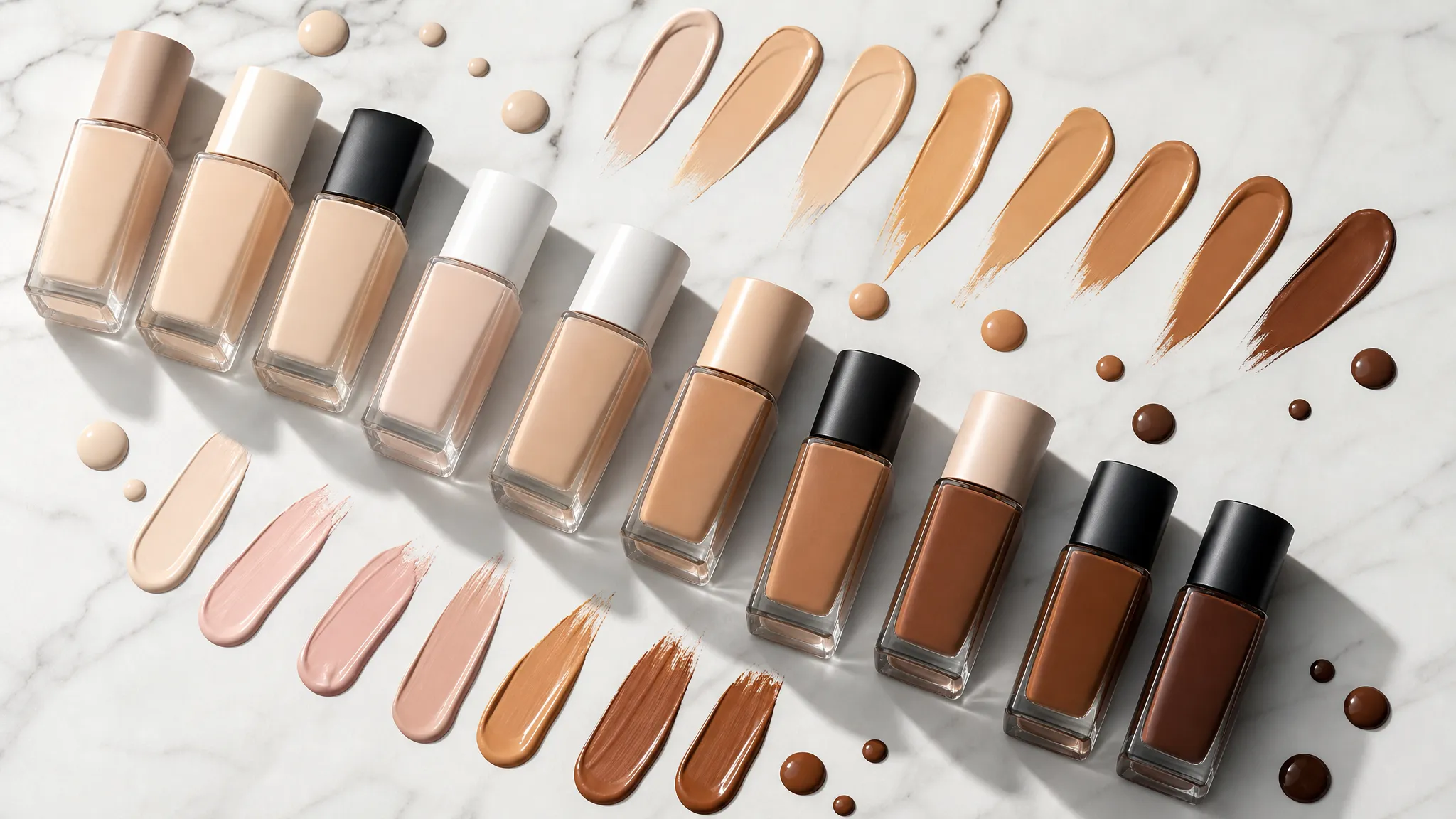
मेरे बाथरूम ड्रॉअर में फाउंडेशन का कब्रिस्तान
मेरे पास छोड़े गए फाउंडेशन से भरा एक ड्रॉअर है। आखिरी गिनती में सत्रह बोतलें — कुछ बमुश्किल इस्तेमाल हुईं, कुछ अभी भी सीलबंद — हर एक इस भरोसे के साथ खरीदी गई थी कि इस बार मुझे आखिरकार सही मैच मिल गया।
सेल्स असोसिएट इसे मेरी जॉलाइन पर लगाती, स्टोर की flattering लाइट में सिर हिलाती, और मैं खुश होकर घर लौटती। फिर प्राकृतिक दिन की रोशनी में अपना reflection देखती और वो दिखता: वो साफ़ पीला cast, या राखिया gray अंडरटोन जो मेरी त्वचा से अलग दिख रहा हो, या वो अजीब गुलाबी mask जिससे लगता था कि मैं फाउंडेशन पहने हुए हूँ, न कि बस अपने बेहतर version जैसी दिख रही हूँ।
अगर यह जाना-पहचाना लगता है, तो अच्छी और बुरी दोनों खबर है। बुरी: आप शायद पूरी ज़िंदगी shade-matching गलत कर रही हैं। अच्छी: fix सोच से ज़्यादा आसान है, और इसका shade depth से कोई लेना-देना नहीं।
समस्या शेड में नहीं — अंडरटोन में है
यहीं पर ज़्यादातर लोग गलती करते हैं: वे सिर्फ यह देखते हैं कि फाउंडेशन कितना light या dark है (shade), और रंग के नीचे वाले रंग (undertone) को ignore कर देते हैं।
Shade depth समझ में आता है। आँखों से पता चल जाता है कि फाउंडेशन बहुत light है या बहुत dark। लेकिन undertone mismatch चालाक होता है — बिना स्पष्ट कारण के वो "कुछ off है" वाला feeling देता है। फाउंडेशन perfect depth का हो और फिर भी बिल्कुल गलत दिख सकता है अगर undertone आपकी त्वचा से match नहीं करता।
Undertone exactly क्या है? यह वो रंग है जो आपकी त्वचा की सतह के नीचे बैठता है, चाहे आप कितनी भी light या dark हों। दो लोगों की shade depth एक जैसी हो सकती है — say, medium beige — लेकिन same foundation में बिल्कुल अलग दिख सकते हैं क्योंकि एक की warm (golden/peach) undertone है और दूसरे की cool (pink/blue)।
Foundation undertones चार categories में आते हैं:
- Warm: Golden, peachy, या yellow-based। Warm skin पर sun-kissed लगते हैं, cool skin पर sallow।
- Cool: Pink, red, या blue-based। Cool skin पर fresh लगते हैं, warm skin पर artificially rosy।
- Neutral: Balanced mix। सबसे forgiving, लेकिन universally flattering नहीं — strongly warm या cool skin पर flat लग सकते हैं।
- Olive: Green-yellow modifier जो warm या cool undertones के ऊपर मौजूद होता है। सबसे rare और सबसे ज़्यादा mismatch होने वाली category।
अपनी पर्सनल कलर पैलेट अभी देखें
फोटो अपलोड करें — 60 सेकंड में अपनी AI ब्यूटी रिपोर्ट पाएं।
Standard matching methods fail क्यों करते हैं
Jawline swatch problem
Foundation jawline पर swipe करने से shade depth पता चलता है, लेकिन undertone assess करने के लिए यह बहुत बुरा है। Jawline cheeks से कम sunlight पाती है, forehead का रंग बिल्कुल अलग है, और store lighting (usually warm LED या fluorescent) undertone perception distort करती है।
Journal of Cosmetic Dermatology में 2019 की एक study में पाया गया कि 67% consumers गलत foundation undertone पहन रही थीं, हालाँकि उन्हें लगता था match सही है। Main culprit: artificial light में testing।
"Match to your neck" myth
यह advice assume करती है कि face और neck का undertone same है, जो अक्सर सच नहीं होता। Neck lighter हो सकती है और veins ज़्यादा दिख सकती हैं। Face पर surface के पास ज़्यादा blood flow होता है, redness add होती है। और अगर थोड़ी भी sun exposure हुई है, तो facial skin warmer shift हो गई होगी जबकि neck अपनी natural state के करीब रही।
Celebrity shade name trap
Foundation names marketing हैं, science नहीं। "Sand," "Buff," "Beige," और "Natural" हर brand पर अलग मतलब रखते हैं। Clinique का "Neutral" warm की ओर lean करता है। MAC का "NC" (Neutral Cool) actually warm side पर जाता है। NARS "Deauville" में olive undertones हैं जो cool skin पर muddy लगते हैं। Name से अकेले shop नहीं कर सकतीं।
अपनी skin undertone actually कैसे determine करें
Vein test (unreliable) और jewelry test (subjective) भूल जाइए। ये पाँच methods actually काम करते हैं, accuracy के order में:
1. Bare skin daylight test
Skin bare करें — no moisturizer, no primer, no residual product। 20 minutes wait करें। North-facing window के पास खड़ी हों (indirect natural light, direct sun नहीं)। Cheek के बगल में white paper रखें।
क्या देखना है:
- Warm undertone: White paper के against skin golden, peachy, या slightly yellow दिखे
- Cool undertone: Skin pink, rosy, या slightly blue दिखे
- Neutral undertone: Skin strongly किसी direction में pull न करे — बस "skin colored" लगे
- Olive undertone: Faint greenish या grayish cast दिखे, especially mouth और under eyes के आसपास
2. White T-shirt test
Pure white (cream नहीं, ivory नहीं) t-shirt natural light में पहनें। Face कैसा दिखता है?
- अगर face healthier और brighter लगे → likely cool undertone (white में blue undertones होते हैं जो harmonize करते हैं)
- अगर face slightly washed out या sallow लगे → likely warm undertone (same test off-white या cream shirt से try करें)
- दोनों तरह fine लगे → neutral
3. Two-foundation comparison
Makeup counter पर जाएँ और SAME shade depth के दो samples माँगें — एक warm formula में, एक cool में। Natural light में पूरे दिन half face पर each wear करें। Wrong undertone कुछ hours बाद glaringly obvious हो जाता है, भले quick swatch में दोनों "fine" लगे हों।
यह सबसे reliable consumer test है जो मुझे मिला। Patience चाहिए, लेकिन guesswork पूरी तरह खत्म हो जाता है।
4. Inner wrist method (improved)
Standard vein test unreliable है क्योंकि vein color depth, light conditions, और individual anatomy पर depend करता है। लेकिन inner wrist एक चीज़ के लिए useful है: यह skin को सबसे untanned और unmodified form में दिखाता है।
Natural light में inner wrist का overall skin tone देखें (veins ignore करें)। Cheek skin से compare करें:
- Similar हों → face अपने natural undertone से ज़्यादा shift नहीं हुई
- Cheek warmer/more golden लगे → sun exposure ने warmth add की; आपका TRUE undertone wrist के closer है
5. AI-powered undertone analysis
Technology इसमें remarkably good हो गई है। AI color analysis tools standardized conditions में skin photograph करके undertone को surface color, tan, redness, और lighting bias से isolate कर सकते हैं। मैंने कई test किए, और वे consistently in-store matching से better perform करते हैं — especially tricky cases जैसे olive undertones या neutral-leaning skin जो human eyes confuse करती है।
aicoloranalysis.io जैसे tools selfie से undertone analyze कर सकते हैं और आपके specific coloring के अनुसार calibrated foundation shade recommendations generate कर सकते हैं।
Olive undertone problem (और match करना इतना hard क्यों है)
अगर आपको हमेशा foundation ढूँढने में struggle हुआ — warm shades too yellow लगें, cool too pink, neutral weirdly gray — तो शायद आप olive हैं।
Olive undertone roughly global population के 20-25% को affect करता है, फिर भी ज़्यादातर foundation lines में zero olive-specific shades हैं। Olive-skinned लोग warm, cool, या neutral categories से "least bad option" choose करने पर मजबूर हैं।
Olive different क्या बनाता है: Olive warm या cool नहीं — यह green-yellow modifier है जो warm या cool undertone के TOP पर बैठता है। Warm-olive (golden green) या cool-olive (grayish green) हो सकती हैं। यह extra dimension है जिसकी वजह से standard two-axis matching (warm vs. cool × light vs. dark) हमेशा slightly off feel करता है।
Signs आप olive हो सकती हैं:
- Foundation strangely oxidize होता है (hours में orange या grayish turn)
- Gold AND silver jewelry दोनों अच्छे लगते हैं, लेकिन muted versions
- Bare skin पर subtle greenish या grayish cast, especially bare होने पर
- Earth tones (olive green, terracotta, warm brown) incredibly natural लगते हैं
- Bright pure white sickly बनाता है, off-white great लगता है
Olive foundation strategy:
- Brands ढूँढें जो explicitly olive ranges offer करें (Koh Gen Do, Danessa Myricks, RCMA, Armani)
- Brand में olive न हो तो warm shade से start करें और tiny amount green color corrector mix करें
- Pink या colorless की बजाय yellow-green translucent powder से set करें
- Accept करें कि "perfect match" single product नहीं, custom mix हो सकता है
Color season के अनुसार foundation matching
आपका personal color season foundation undertone के बारे में strong clues देता है:
Spring seasons (Light Spring, True Spring, Bright Spring): Foundation undertone: Warm। Golden, peachy formulas ढूँढें। Springs often warm oxidize करते हैं, इसलिए in-store match से slightly lighter लें।
Summer seasons (Light Summer, True Summer, Soft Summer): Foundation undertone: Cool to neutral-cool। Pink या neutral formulas। "Golden" या "sun-kissed" described कुछ भी avoid करें।
Autumn seasons (Soft Autumn, True Autumn, Deep Autumn): Foundation undertone: Warm to warm-olive। Autumns की skin tones सबसे rich, golden होती हैं। Warm, earthy formulas। Many Deep Autumns olive-leaning shades में अच्छे लगते हैं।
Winter seasons (Deep Winter, True Winter, Bright Winter): Foundation undertone: Cool। Winters में skin और features के बीच सबसे contrast होता है। Neutral-cool to cool formulas। Warm shades avoid — Winter coloring muddy लगती है।
Oxidation factor जिसके बारे में कोई warn नहीं करता
Perfect undertone match भी कुछ hours बाद fail हो सकता है oxidation की वजह से — skin oils, pH level, और foundation pigments के बीच chemical reaction।
Foundation almost always WARMER oxidize होता है। इसका मतलब:
- Cool undertone skin: Foundation natural tone से shift होता है, दिन भर mismatch increasingly visible होता है
- Warm undertone skin: Foundation too warm हो सकता है, orange दिख सकता है
- Olive undertone skin: Oxidation plus olive = dreaded "muddy" look
Oxidation test: Prospective foundation morning में jawline पर apply करें। Natural light में immediately photo, फिर 4 hours बाद। Compare करें। Color noticeably shift हुआ तो:
- Warm shift compensate करने के लिए slightly cooler undertone वाला shade choose करें
- Silicone-based primer use करें (barrier बनाता है जो oxidation slow करता है)
- Slightly cool pull वाली color-correcting powder से set करें
Practical shopping checklist
अगली बार foundation shop करते समय यह checklist use करें:
जाने से पहले:
- Undertone category जानें (warm/cool/neutral/olive)
- Color season जानें (options dramatically narrow हो जाते हैं)
- Brand का undertone system online check करें (हर brand differently code करता है)
- Bare, clean face के साथ जाएँ — no moisturizer या SPF जो undertone reading affect कर सके
Counter पर:
- अपनी depth के TWO shades माँगें — एक warm-leaning, एक cool-leaning
- Natural light में cheek पर swatch करें (jaw नहीं) — possible हो तो बाहर step out करें
- Samples home ले जाएँ और each पूरा दिन wear करें
- Noon में direct daylight AND evening indoor light में match check करें
- 4-hour mark पर photograph करके oxidation shift check करें
Decision time:
- Right match आपकी skin जैसा, लेकिन better लगना चाहिए — skin पर layer ON जैसा नहीं
- Neither sample right हो तो entirely different brand का undertone formula चाहिए हो सकता है
- Consistently warm और cool के "between" fall करें तो olive या neutral-olive shades explore करें
Key takeaways
- Shade depth easy है; undertone matching वहाँ है जहाँ 67% लोग गलती करते हैं। Foundation perfect lightness/darkness का हो और undertone conflict हो तो terrible लग सकता है।
- चार undertone categories — warm, cool, neutral, olive — हर एक को different foundation formulas चाहिए। Standard "neutral" universal solution नहीं है।
- Natural daylight में, cheek पर, several hours test करें। Artificial light में quick in-store swatches foundation mismatch की #1 reason हैं।
- Olive undertone real, common, और chronically underserved है ज़्यादातर foundation lines द्वारा। Warm too yellow और cool too pink लगे तो olive-specific brands या custom mixing explore करें।
- Oxidation always warm shift करता है। Initial match से slightly cooler shade choose करके account for करें।
Foundation match ढूँढना more shades try करने के बारे में नहीं — उस dimension को समझने के बारे में है जिसे आप probably ignore कर रही थीं। Undertone code crack होते ही abandoned bottles वाला drawer past की बात बन जाता है।
संबंधित लेख
- न्यूट्रल अंडरटोन: सबसे मुश्किल स्किन टोन जिसे पहचानना है (ऐसे करें) — न्यूट्रल undertone standard tests क्यों break करता है और identify कैसे करें
- हर Color Season के लिए सर्वश्रेष्ठ मेकअप रंग: एक संपूर्ण चार्ट — Season के अनुसार foundation, lips, eyes, blush recommendations
- ऑलिव अंडरटोन: सबसे गलत समझी जाने वाली त्वचा टोन की पूरी जानकारी — Olive undertone identification और styling की deep dive
- कलर एनालिसिस: संपूर्ण गाइड — अपने best colors खोजने के लिए जो कुछ भी जानना है
खुद AI कलर एनालिसिस आज़माना चाहती हैं?
एक फोटो अपलोड करें और 60 सेकंड में मैगज़ीन-स्तर की ब्यूटी रिपोर्ट पाएं।
मुफ्त एनालिसिस शुरू करें