Spring Color Palettes Decoded: Bright Spring vs True Spring vs Light Spring
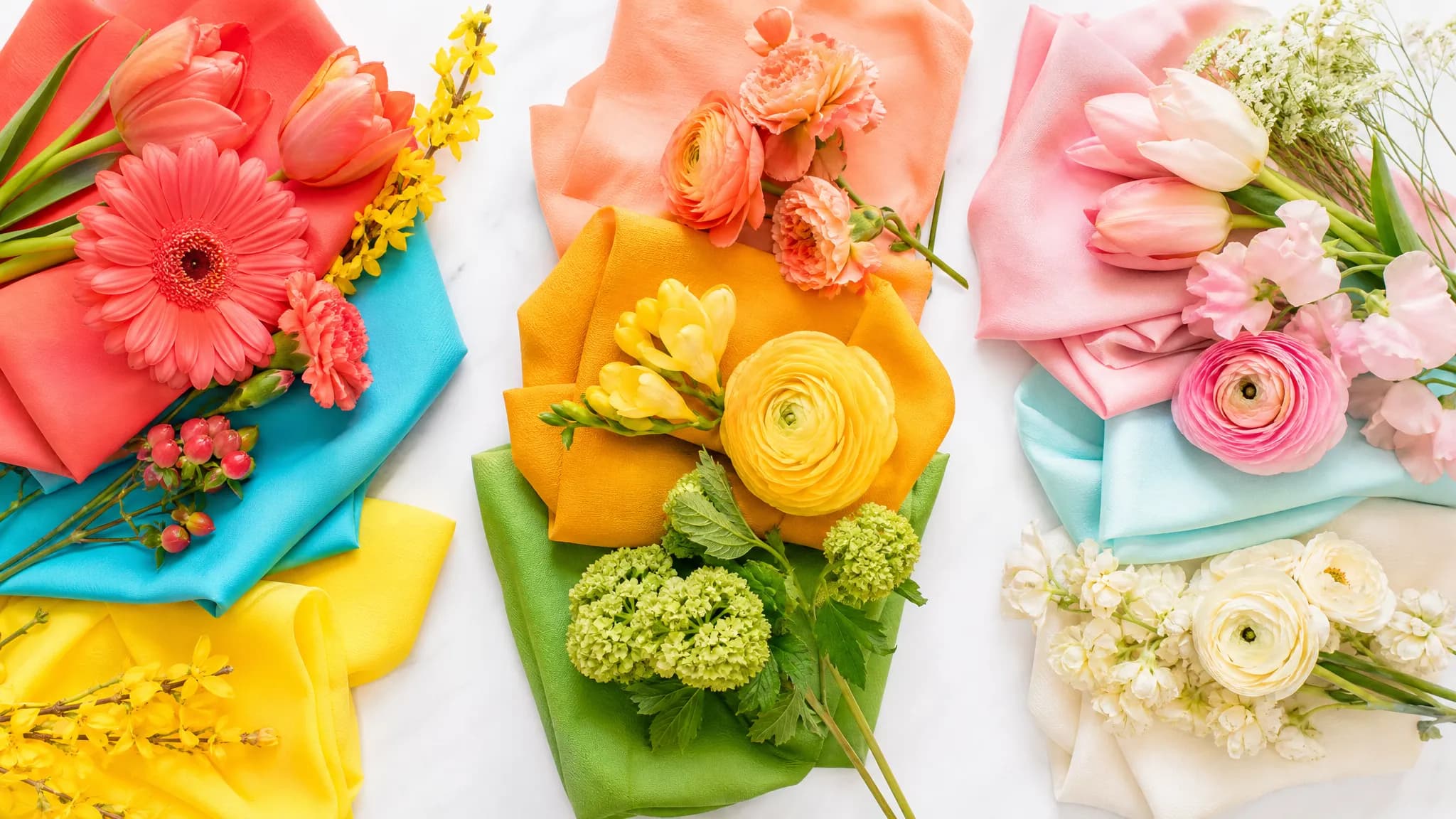
You Know You're a Spring — But Which Spring?
So you've taken a color analysis and the verdict is in: you're a Spring. Your undertone runs warm, your overall vibe is fresh and lively, and you look incredible in colors that feel like a sunny garden.
But here's the thing nobody warns you about — there are actually three different types of Spring in the 12-season color analysis system, and the differences between them are significant enough to completely change your wardrobe strategy.
I've seen people confidently shopping for "warm Spring colors" only to end up with a closet full of pieces that look almost right but not quite. The problem? They were buying True Spring colors when they were actually a Light Spring, or vice versa.
In this guide, I'll break down all three Spring sub-seasons — Bright Spring, True Spring, and Light Spring — so you can identify exactly which one you are and start choosing colors that genuinely make you glow.
Quick Refresher: What Makes Someone a "Spring"?
Before diving into the sub-seasons, let's establish what all Springs have in common.
Spring types share these characteristics:
- Warm undertone — your skin has a golden, peachy, or warm beige quality
- Clear, bright eyes — often blue-green, warm green, golden brown, or topaz
- Hair with warm tones — from golden blonde to strawberry to warm auburn
- Contrast that feels lively — there's a freshness and clarity to your overall coloring, not muted or dusty
Think of the color energy of actual springtime: warm sunshine, vivid tulips, clear blue skies, fresh green grass. Spring palettes mirror that energy — they're warm, clear, and alive.
Now, the three sub-seasons differ in one critical way: their secondary characteristic.
| Sub-Season | Primary Quality | Secondary Quality | Think Of It As... |
|---|---|---|---|
| Bright Spring | Warm | High clarity/saturation | Spring meets Winter |
| True Spring | Warm | Pure warmth | The "most Spring" Spring |
| Light Spring | Warm | Lightness | Spring meets Summer |
That secondary quality is what determines which specific shades look best on you. Let's get into each one.
See your personal color palette now
Upload a photo — get your AI beauty report in 60 seconds.
Bright Spring: The High-Impact Season
In a nutshell: Bright Spring is what happens when Spring's warmth meets Winter's intensity. If you have strong contrast between your hair, eyes, and skin — but with a warm foundation — this is likely you.
How to Recognize a Bright Spring
- Eyes: Strikingly clear and vivid. Often bright blue, turquoise, bright green, or warm hazel with visible sparkle. The eyes are usually the most noticeable feature.
- Skin: Warm-toned with a clear, even quality. Can range from ivory to medium. Often has a peachy or golden warmth but without freckles or ruddiness.
- Hair: Ranges from medium golden brown to dark auburn. Can also be dark blonde with warm highlights. The key is that the hair has warmth but provides moderate-to-high contrast against the skin.
- Overall impression: Vivid. Energetic. There's a "pop" quality — like someone turned up the saturation slider.
Bright Spring's Best Colors
This palette is all about high-chroma, warm, and clear colors:
- Corals and warm reds — true coral, tomato red, warm poppy
- Bright yellows — daffodil yellow, warm lemon (not mustard — too muted)
- Vivid greens — apple green, bright teal, warm emerald
- Clear blues — bright turquoise, cerulean, Persian blue
- Warm pinks — hot coral pink, warm fuchsia, salmon
- Neutrals — warm ivory, camel, chocolate brown, navy (not black)
Colors Bright Springs Should Avoid
- Dusty, muted tones (mauve, dusty rose, sage green)
- Pastels that are too washed out (baby blue, powder pink)
- Cool, icy shades (silver, cool gray, icy lavender)
- Earth tones that are too muddy (olive drab, burnt sienna)
Celebrity Bright Springs
Think of the warm but vivid energy of Jessica Alba, Mila Kunis, and Emma Stone (with her natural coloring). They look best in colors that are saturated and clear — never muddy or muted.
True Spring: The Golden Season
In a nutshell: True Spring is the purest expression of Spring energy. Warmth is the dominant quality, and everything about this palette radiates golden, sunlit warmth. If you are solidly warm-toned without extreme contrast or extreme lightness, you're probably here.
How to Recognize a True Spring
- Eyes: Warm and golden. Think golden brown, amber, warm green, or hazel with a golden ring around the pupil. The warmth in the eyes is unmistakable.
- Skin: Distinctly warm. Golden undertones, peach undertones, or a warm honey quality. May tan easily and develops a warm glow in the sun.
- Hair: Golden blonde, warm copper, strawberry blonde, golden brown, or warm auburn. When sunlight hits it, you can see the gold.
- Overall impression: Warm and friendly. Golden. Like someone who permanently has that "just came back from a beach vacation" glow.
True Spring's Best Colors
The palette centers on warm, medium-saturation, golden-undertone colors:
- Golden yellows — marigold, sunflower yellow, warm saffron
- Warm oranges — tangerine, apricot, burnt orange
- Coral and peach — warm coral, salmon, peach nectar
- Warm greens — lime green, leaf green, warm olive
- Turquoise and aqua — warm aqua, light teal, turquoise
- Warm browns — cognac, caramel, warm tan, golden beige
- Neutrals — warm cream, camel, chocolate, warm navy
Colors True Springs Should Avoid
- Cool-toned anything (silver jewelry, blue-based reds, cool pink)
- Pure black (too stark — opt for dark chocolate instead)
- Neon shades (too artificial for this palette's organic warmth)
- Icy pastels (too cool and washed out)
Celebrity True Springs
Jennifer Aniston, Blake Lively, and Gisele Bündchen embody True Spring's golden warmth. Notice how they consistently gravitate toward warm neutrals and golden tones — and how incredible they look in them.
Light Spring: The Delicate Season
In a nutshell: Light Spring is where Spring's warmth meets the softness and lightness of Summer. If your overall coloring is warm but on the lighter, more delicate end of the spectrum, this is your season.
How to Recognize a Light Spring
- Eyes: Light and warm. Pale blue, light green, soft hazel, or light golden brown. There's a clarity to them, but they're gentle rather than intense.
- Skin: Light with warm undertones. Porcelain with a peachy flush, light beige with golden warmth, or fair with a warm cast. May blush easily.
- Hair: Naturally light. Light golden blonde, light strawberry blonde, light warm brown. As children, Light Springs were often very blonde.
- Overall impression: Fresh, youthful, gentle. Low contrast between features. There's a luminous, sun-kissed quality — but softer and more delicate than the other Spring types.
Light Spring's Best Colors
This palette favors warm, light, and moderately clear colors:
- Soft peach and coral — peach blossom, light salmon, warm blush
- Light warm yellows — buttercup, pale gold, lemon chiffon
- Light greens — pistachio, light lime, warm mint
- Warm blues — light aqua, sky blue (warm), periwinkle
- Soft warm pinks — rose quartz (warm-leaning), peach pink, cameo
- Light neutrals — warm ivory, light camel, light golden brown, warm taupe
- Metallics — light gold, rose gold (Light Spring's best friend)
Colors Light Springs Should Avoid
- Dark, heavy shades (burgundy, forest green, charcoal)
- Highly saturated, intense colors (electric blue, hot red)
- Cool, stark shades (pure white, jet black, icy gray)
- Overly muted or dusty colors (they're too "heavy" for this light palette)
Celebrity Light Springs
Scarlett Johansson (with her natural blonde coloring), Cate Blanchett, and Taylor Swift exemplify Light Spring's luminous, delicate warmth. They look stunning in soft, warm tones and completely overwhelmed by dark or cool shades.
The Side-by-Side Comparison: How to Tell Them Apart
Still not sure which Spring you are? Here's a direct comparison:
| Feature | Bright Spring | True Spring | Light Spring |
|---|---|---|---|
| Contrast level | High | Medium | Low |
| Color intensity | Very saturated | Medium-saturated | Soft, light |
| Best red | Tomato/coral red | Warm orange-red | Light coral |
| Best green | Apple green | Leaf green | Pistachio |
| Best neutral | Warm navy | Camel/cognac | Light camel |
| Best metallic | Bright gold | Rich gold | Rose gold |
| Avoid | Muted/dusty | Cool tones | Dark/heavy |
| Season it borders | Winter | Pure Spring | Summer |
The Quick Test
Hold up a few test colors to your face (in natural light, no makeup):
- Hold up hot coral: Does it energize your face without overwhelming it? → Likely Bright Spring
- Hold up warm gold/marigold: Does your skin glow and your eyes light up? → Likely True Spring
- Hold up soft peach/blush pink: Does it make you look fresh and luminous? → Likely Light Spring
If you want a more precise answer, AI color analysis tools can now identify your specific sub-season by analyzing the unique combination of your skin undertone, eye color, and hair color in detail. Free tools like aicoloranalysis.io can give you a quick starting point — just upload a clear selfie in natural light.
Practical Styling Tips for All Spring Types
Regardless of which Spring sub-season you are, these principles apply:
Jewelry: Gold is universally flattering for Springs. Rose gold works especially well for Light Springs, while Bright Springs can also pull off gold with gemstone accents. Avoid silver — it introduces a cool tone that competes with your warmth.
Makeup base: Look for foundations and concealers with warm/golden undertones. Avoid anything described as "cool," "pink-based," or "neutral-cool."
Lip colors: Coral is every Spring's best friend. From bright coral (Bright Spring) to peach gloss (Light Spring), this color family is your secret weapon.
Dark neutrals: When you need a dark neutral, reach for chocolate brown, warm navy, or dark teal instead of black. If you must wear black, break it up with a warm-toned scarf or jewelry near your face.
Patterns and prints: Warm florals, tropical prints, and watercolor patterns are natural fits. Avoid cool-toned geometric prints and anything in black-and-white.
Key Takeaways
- Bright Spring = warm + vivid. High contrast, saturated colors, bold energy. Best in coral, turquoise, and bright warm tones.
- True Spring = warm + golden. Medium contrast, golden undertones everywhere. Best in marigold, peach, and warm olive.
- Light Spring = warm + delicate. Low contrast, light and soft shades. Best in blush, pistachio, and rose gold.
- All three Spring types share warmth as their foundation — the key differentiator is how much contrast and saturation your coloring can handle.
- When in doubt, test colors against your face in natural daylight. Your skin's reaction (glowing vs. washed out) tells you everything.
Related Articles
- Color Analysis: The Complete Guide — Everything you need to know about finding your best colors
- Light Spring Color Palette — Full palette, makeup & wardrobe guide
- Warm Spring Color Palette — Full palette, makeup & wardrobe guide
- Bright Spring Color Palette — Full palette, makeup & wardrobe guide
Want to try AI color analysis yourself?
Upload one photo and get a magazine-level beauty report in 60 seconds.
Start Free Analysis