Balayage, Highlights, or All-Over Color? How to Choose the Best Hair Coloring Technique for Your Color Season
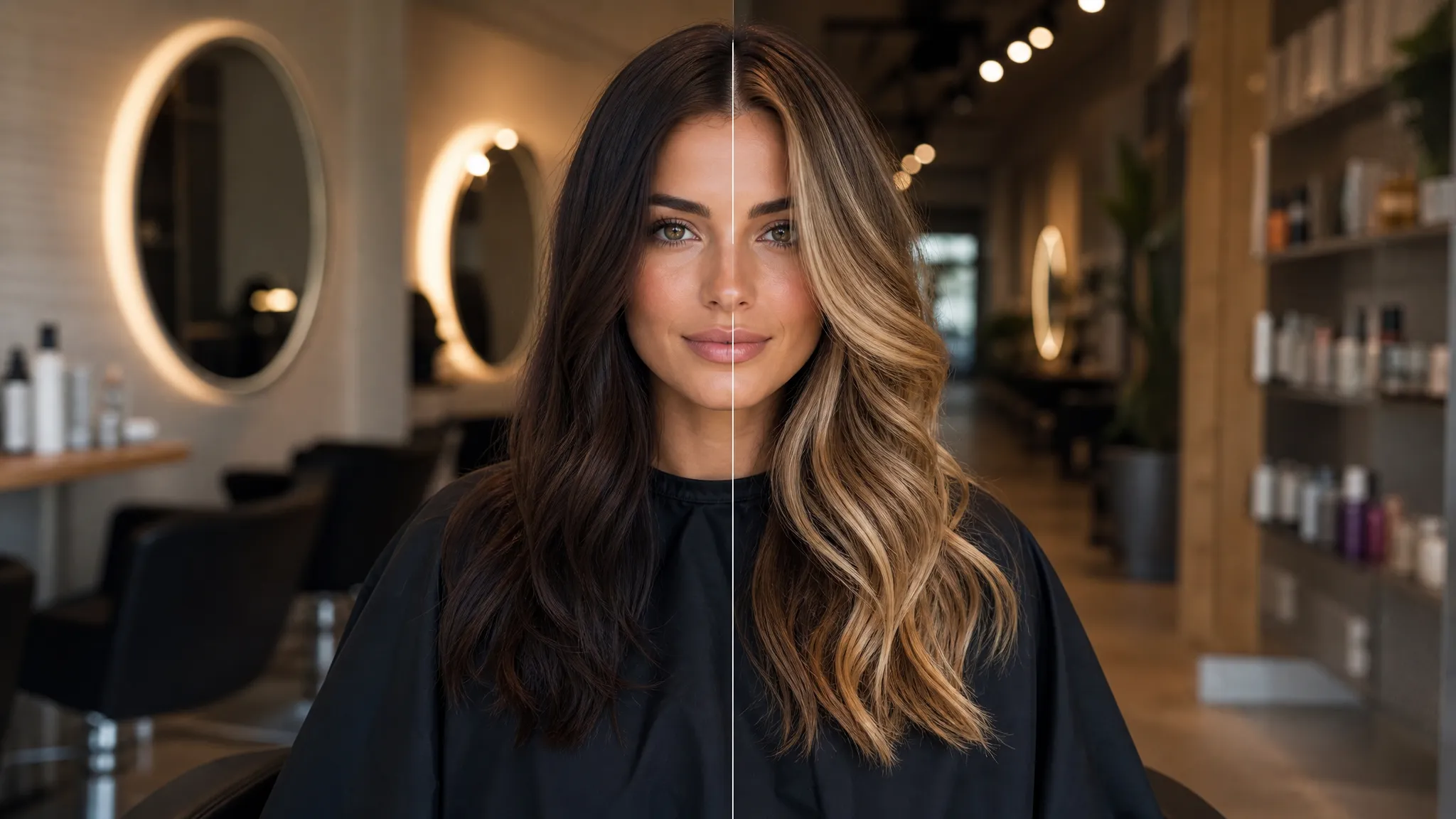
The Conversation No One Has Before Sitting in the Salon Chair
You've probably spent hours scrolling through Instagram saves and Pinterest boards full of gorgeous hair transformations. Honey balayage. Icy platinum highlights. Rich all-over mahogany. They all look stunning — on someone else.
Then you sit in the salon chair, show your stylist the screenshot, and walk out three hours later looking... not quite right. The color is technically beautiful, but something about the way it sits on your hair — the placement, the contrast, the transition — feels off against your skin.
Here's what nobody tells you: the coloring technique matters just as much as the color itself. Balayage, foil highlights, and all-over color don't just differ in application — they create fundamentally different patterns of light, contrast, and dimension in your hair. And those patterns interact with your skin undertone, eye color, and natural contrast level in very different ways.
I learned this the hard way after years of defaulting to whatever technique was trendiest. Once I started matching the technique to my color season, everything clicked.
Why Technique Matters as Much as Shade
Most color analysis guides focus exclusively on which shades suit your season. And that's important — a Deep Winter wearing golden-caramel hair will look washed out regardless of technique. But two people in the same color season can look dramatically different with the same shade applied via balayage versus all-over color.
Here's why: each technique distributes color differently across your hair, creating different relationships between your roots, mid-lengths, and ends. That distribution affects:
- Contrast level — How much variation exists between your darkest and lightest hair strands
- Warmth distribution — Where warm or cool tones concentrate (roots vs. ends vs. throughout)
- Dimension — Whether your hair reads as one solid block of color or a multi-tonal, light-catching surface
- Root maintenance — How the color grows out and whether it harmonizes with your natural base
Your color season already tells you a lot about your natural contrast level and undertone. The right technique amplifies what your coloring does naturally. The wrong technique fights against it.
See your personal color palette now
Upload a photo — get your AI beauty report in 60 seconds.
The Three Main Techniques, Explained Simply
Before we match techniques to seasons, let's clarify what each one actually does.
Balayage
French for "to sweep," balayage involves hand-painting color onto the hair surface in sweeping motions. The result is a graduated, sun-kissed effect — darker at the roots, lighter toward the ends, with soft, irregular transitions.
Key characteristics:
- Natural-looking, low-maintenance grow-out
- Softer contrast between colored and uncolored sections
- Light concentrates on the mid-lengths and ends
- Creates movement and dimension without uniform placement
Foil Highlights
Traditional highlights use foil to isolate specific strands and lift them to a lighter shade. The foil prevents the lightener from touching surrounding hair, creating precise, defined streaks of color.
Key characteristics:
- Higher contrast between highlighted and base strands
- More uniform distribution from root to tip
- Brighter, more polished result
- Can be placed strategically around the face (money pieces) or throughout
All-Over Color (Single Process)
All-over color applies one uniform shade from root to tip. This can mean going darker, lighter (with a permanent color or bleach-and-tone), or depositing a fashion shade throughout.
Key characteristics:
- Uniform, solid color with no variation between strands
- Maximum saturation and richness
- Most dramatic change from natural hair
- Highest maintenance (visible root regrowth)
Matching Techniques to Your Color Season
Now let's get specific. Your color season reveals your optimal contrast level, warmth, and depth — and each of those maps cleanly onto a coloring technique.
Spring Seasons (Light Spring, True Spring, Bright Spring)
Spring seasons are characterized by warmth, clarity, and a natural luminosity. Spring coloring typically features golden or peach-toned skin, light to medium eyes, and hair that catches warm light naturally.
Best technique: Balayage or face-framing highlights
Springs look most natural with warm, sun-kissed dimension. Balayage mimics the way sunlight would naturally lighten Spring hair — concentrating warmth around the face and ends while keeping depth at the roots.
- Light Spring: Subtle balayage in champagne or light golden tones. Keep the contrast gentle — you want a whisper of warmth, not dramatic streaks. Avoid heavy foil highlights that create too much contrast for your delicate coloring.
- True Spring: Warm honey or golden copper balayage works beautifully. You can handle a bit more color saturation than Light Spring. Consider a few face-framing foil pieces for brightness.
- Bright Spring: This is the one Spring sub-season that can handle foil highlights well. Your natural contrast is higher, so brighter, more defined warm highlights (think golden blonde or warm caramel pieces) won't overwhelm you.
Avoid: All-over ashy or cool-toned color. It kills the natural warmth that makes Springs glow.
Summer Seasons (Light Summer, True Summer, Cool Summer)
Summers have cool, muted, and often soft coloring. Skin tends toward pink or neutral-cool tones, eyes are often grey-blue or soft green, and natural hair is typically ashy or mousy.
Best technique: Subtle foil highlights or tonal all-over color
Summers need cool-toned refinement without harshness. The right technique adds polish and brightness without creating stark contrast.
- Light Summer: Soft, fine foil highlights in ash blonde or cool champagne. The key is fine weaves — thin, closely spaced foils create a blended, shimmery effect rather than chunky contrast. You can also do a beautiful all-over cool blonde if you want simplicity.
- True Summer: A dusty rose-toned or cool brunette all-over color can look incredible on True Summers. Alternatively, subtle ash highlights through the mid-lengths add movement without disrupting your muted harmony.
- Cool Summer: Foil highlights in icy or platinum tones work well here because Cool Summers can handle cleaner, more defined cool tones. Balayage can also work if kept strictly ash-toned.
Avoid: Warm balayage with golden or caramel tones. On Summers, warm techniques create a jarring contrast against cool skin.
Autumn Seasons (Soft Autumn, True Autumn, Deep Autumn)
Autumns are warm, rich, and often muted. Skin has golden, olive, or warm beige tones, eyes are warm brown, hazel, or olive green, and natural hair tends toward warm brown or auburn.
Best technique: Balayage or warm all-over color
Autumns thrive with warmth and depth. The best techniques enhance their natural richness without adding coolness or excessive contrast.
- Soft Autumn: Low-contrast balayage in soft caramel, toffee, or mushroom brown. Keep everything muted and blended. Soft Autumns are easily overwhelmed by high contrast, so avoid dramatic light-to-dark transitions. Think of it as a gentle warming — your hair should look like it spent a summer outdoors, not in a salon.
- True Autumn: Warm all-over color in rich copper, auburn, or warm chestnut is stunning on True Autumns. You can also do balayage with copper and golden tones. This season handles warmth and saturation beautifully.
- Deep Autumn: Rich, warm all-over color (dark chocolate, espresso with warm undertones, deep auburn) works best. If you want dimension, keep balayage very subtle — just a few warm pieces through the ends to catch light. Deep Autumns look best with depth, not lightness.
Avoid: Cool-toned highlights or ashy all-over color. These create an unnatural disconnect with warm Autumn skin and eyes.
Winter Seasons (Deep Winter, True Winter, Bright Winter)
Winters have cool, clear, high-contrast coloring. Skin is often olive, porcelain, or deep with cool undertones, eyes are dark brown, deep blue, or striking green, and hair is naturally very dark.
Best technique: All-over color or high-contrast highlights
Winters are built for drama. Their natural coloring already features high contrast (dark hair, light skin, vivid eyes), so techniques that preserve or amplify that contrast work best.
- Deep Winter: All-over rich color in espresso, blue-black, or deep cool brown. Deep Winters look most striking when their hair is uniformly deep. If you want dimension, very subtle cool-toned balayage through the lower lengths can add interest without reducing contrast.
- True Winter: All-over color in cool-toned shades (dark ash brown, near-black, or even a bold fashion shade like deep burgundy). True Winters can also handle high-contrast foil highlights — think dark base with bright cool-blonde money pieces.
- Bright Winter: This is the one Winter sub-season that can really rock foil highlights. High contrast is your thing. Bold, defined cool-toned highlights against a dark base look intentional and striking rather than busy.
Avoid: Warm balayage. It softens Winter's natural contrast and adds warmth that conflicts with cool undertones.
The Technique Comparison Chart
| Technique | Best For | Contrast Level | Maintenance | Grow-Out |
|---|---|---|---|---|
| Balayage | Springs, Soft Autumns | Low to medium | Low | Very natural |
| Foil highlights | Summers, Bright Spring, Bright Winter | Medium to high | Medium | More visible |
| All-over color | Deep/True Autumns, Winters | Uniform (none) | High | Most visible |
How to Talk to Your Stylist About This
Most stylists think in terms of technique first, color second. Flipping that conversation can transform your results.
Try this approach:
- Start with your season (even if your stylist doesn't know the 12-season system, they'll understand "I have warm skin and low contrast" or "I have cool skin and high contrast")
- Explain the contrast level you want rather than just showing a photo
- Ask about placement — where color will concentrate and how it will interact with your face
- Discuss the grow-out — will the regrowth line be warm or cool? Will it blend naturally with your base?
Bringing a photo from someone with similar natural coloring to yours (not just similar hair goals) makes a huge difference. A balayage that looks effortless on a Warm Autumn model will read completely differently on Cool Summer skin.
When to Break These Guidelines
Color analysis is a framework, not a prison. There are absolutely situations where choosing an "unconventional" technique for your season creates a deliberately striking effect:
- Warm seasons going deliberately cool for an editorial, high-fashion look
- Low-contrast seasons going high-contrast as a bold style statement
- Winters choosing soft balayage for a more approachable, casual aesthetic
The difference between an intentional rule-break and an accidental mismatch is awareness. When you know what technique harmonizes naturally with your coloring, choosing to deviate becomes a creative decision rather than a confused one.
Using Technology to Preview Before You Commit
Here's the part that would have saved me several hundred dollars and a lot of frustration: you can now preview different hair color techniques on your actual photo before stepping into the salon.
AI-powered hair color preview tools can show you how balayage, highlights, or all-over color would look against your specific skin tone, eye color, and facial features. Some tools even factor in your color season analysis to recommend which shades and techniques will harmonize best.
This isn't about replacing your stylist's expertise — it's about arriving at the consultation with a clearer picture of what works for your coloring, so the conversation starts from a much better place.
Key Takeaways
- Balayage creates soft, sun-kissed dimension and works best for Springs and Soft Autumns
- Foil highlights offer precise, defined contrast and suit Summers, Bright Spring, and Bright Winter
- All-over color delivers maximum richness and saturation, ideal for True/Deep Autumns and Winters
- Your contrast level and undertone should guide technique choice as much as shade selection
- Preview tools can help you visualize different techniques on your actual face before committing
- Breaking the guidelines intentionally is fine — just know the "rules" before you break them
Related Articles
- How to Find Your Best Hair Color Based on Your Color Season — A complete shade guide for all 12 seasonal types
- How AI Hair Color Preview Can Save You From a Bad Dye Job — How technology helps you avoid expensive color mistakes
- The Science Behind Personal Color Analysis: How It Actually Works — Understanding the color science that makes this work
- Color Analysis: The Complete Guide — Everything you need to know about finding your best colors
Want to try AI color analysis yourself?
Upload one photo and get a magazine-level beauty report in 60 seconds.
Start Free Analysis